How long does it take to do a car service
Tags: basic car service, car maintenance tips, car service appointment, car service checklist, car service duration, car service time guide, car servicing tips, Drive a Ferrari, Drive a GTR, Drive a Lamborghini, drive exotic cars, Drive Sports Cars, drive sports cars Atlanta, Exotic Car Driving Experience, exotic car racing experience, Ferrari driving experience, full car service, how long does it take to do a car service, Lamborghini Huracan track experience, New Orleans exotic car drivingHow long does it take to do a car service
Understanding How Long a Car Service Takes
These days, we all live busy lives, and sometimes managing time for car service becomes difficult. When people ask how long it takes to service a car, I always say it usually depends on the type of car, the level of service, and the workshop’s workload. A basic oil change and inspection can typically take 45 minutes to 1.5 hours. However, if your car needs a full service, including filters, fluids, brakes, and proper diagnostic scans, it can easily take 2 to 4 hours. If parts need to be replaced or an unexpected fault is found, the time can increase again. The thing to consider is that service time is not just a reflection of the mechanic’s work, but also of the health of your car.
Basic vs. Full Service – It’s Important to Understand the Time Difference
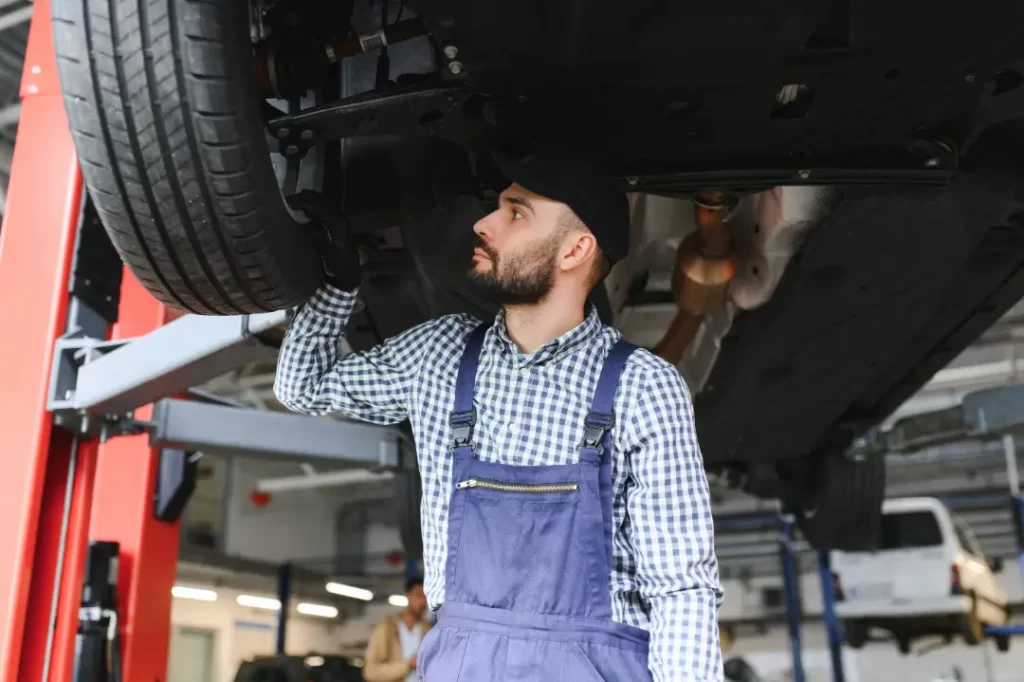
Basic service usually consists of a routine check-up—an oil change, air filter inspection, fluid top-up, tire pressure check, and a quick test drive. Most workshops have predefined steps, so this service is completed in around 1 hour. However, when it comes to a full service, mechanics check the car’s brakes, engine tuning, suspension components, AC performance, battery voltage, wheel alignment, and computerized diagnostics. A full service requires lifting the car on a lift, opening multiple systems, and sometimes even a lengthy test drive. Therefore, the full service time is naturally longer—approximately 3 to 4 hours. Patience is key here, as a hasty service can lead to a costly repair later.
Why Service Time Can Increase Unexpectedly
Many people laugh when the mechanic says, “Sir, it’ll take a little longer.” But the truth is that servicing isn’t a predictable process. When the mechanic inspects the car, they sometimes discover minor faults that the driver didn’t notice at first. For example, engine oil may be leaking slowly, brake pads may be stuck, or the air filter may be clogged to the point where the engine struggles to breathe. If these issues aren’t addressed timely, both the vehicle’s performance and fuel economy decline. And if parts have to be ordered, service time naturally increases. So taking longer to service isn’t always a bad thing – sometimes it saves your car’s life.
Real-Life Example – My First Car Service Experience
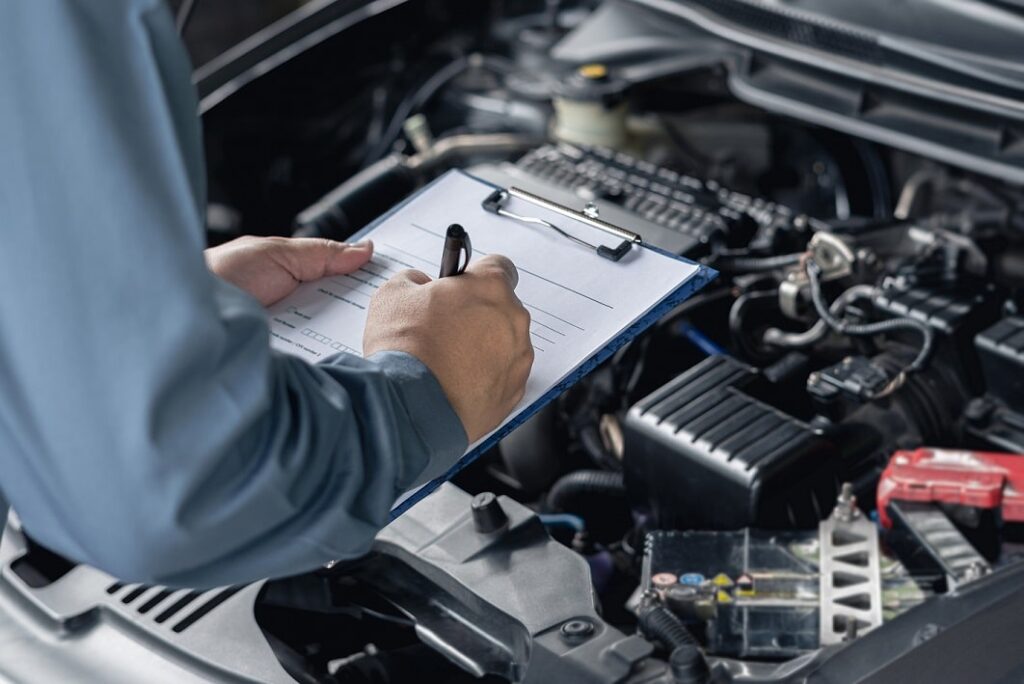
When I bought my first car, I thought car service was just a formality. I went to the workshop and thought it would be done in an hour. But when the mechanic told me the engine oil had become sludge and the air filter was extremely dirty, he had to perform a deep cleaning. The entire service took three hours. Initially, I was irritated, but when I drove the car again, I noticed a noticeable difference in performance, pickup, and fuel consumption. That’s when I realized: quality service is better than rushed service. Since then, I always make time for a mechanic and maintain my car properly. Good car care demands both trust and patience.
Connection between Car Service Time and Exotic Car Experiences
Now, an interesting fact: High-performance and exotic cars, like a Ferrari, Lamborghini, Nissan GTR, or Lamborghini Huracan, have significantly more servicing time and maintenance complexity. Therefore, when people drive exotic cars, drive a Ferrari, drive a Lamborghini, or enjoy exotic car driving experiences—like Drive Sports Cars Atlanta or Drive Lamborghini on Track New Orleans—they should understand that servicing these cars is precision-driven. The engines have sensitive calibration, the brakes are racing-grade, and the fluids are of high-performance specifications. These cars experience a thrilling feeling of speeding miles per hour, sometimes even light speed miles per hour, on the track, but behind that thrill lies hours of careful maintenance.

Planning Your Day Around Car Service
When you go to the service center, a little planning can make your entire day go smoothly. Make an appointment in advance so you don’t have to wait in line. Bring a book, laptop, work notebook, or earphones with you—waiting time can be productive. If the workshop offers a courtesy shuttle or pickup service, it’s best to avail of it. If the service center is far from your location, cab services are easy. If you prefer, you can drop off your car and collect it later. The point is simple: don’t make service time stressful—make it a natural part of your routine.
Signs That Your Car Needs More Than Routine Service
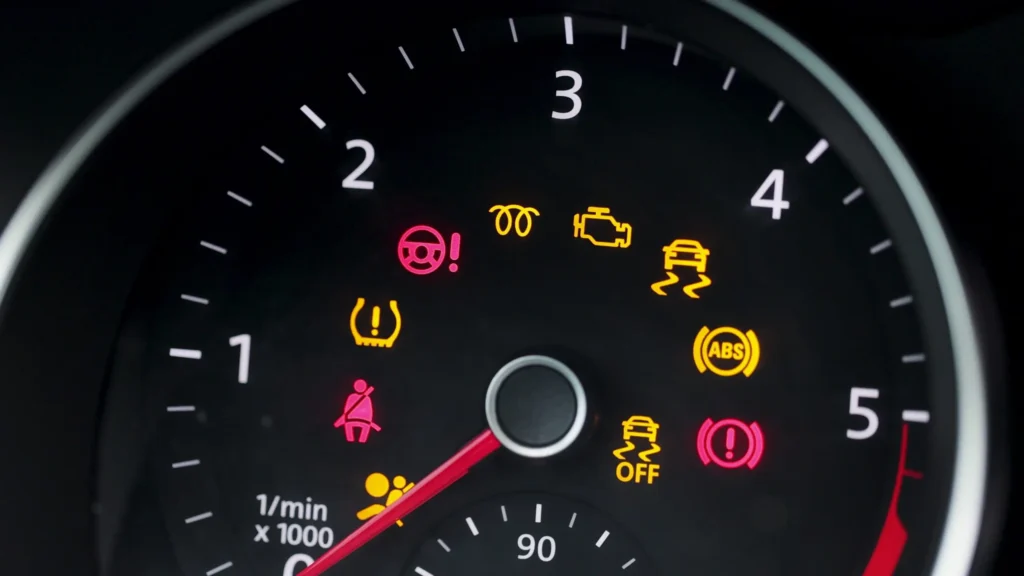
If your car is making unusual sounds, steering is heavy, braking is delayed, the AC feels weak, fuel consumption has suddenly dropped, or warning lights are flashing on the dashboard—this requires more than a basic service. In such cases, the time automatically increases. But this is an opportunity to return your car to better performance mode. A proper service will make your car feel smooth, stable, and reliable again. Sometimes people delay service just to save time, and then major repairs cost both extra money and extra time. Early attention = less headache.
Final Thoughts – Invest Time, Your Car Will Last Longer
Finally, remember that car service isn’t a waste of time—it’s an investment. The more you care for your car, the more it will provide you with smoother rides, better fuel efficiency, and fewer breakdowns. Whether you drive a simple commuter car or a dream machine like a Ferrari, Lamborghini, or GTR—service is the heart of performance. So the next time someone asks how long it takes to service a car, confidently say: “Spend as much time as necessary to keep it in good shape.” A car is not a machine, it’s a companion.