How Long Does It Take to Charge a Car
Tags: charge EV overnight, charging an electric car, DC fast charger, electric car charging, electric car range, electric car tips, electric vehicle battery, EV charging guide, EV charging time, EV road trip tips, fast charging electric car, home EV charger, how long does it take to charge a car, Level 2 EV charger, Tesla charging timeHow Long Does It Take to Charge a Car
Understanding the Basic Question: How Long Does It Take to Charge a Car?
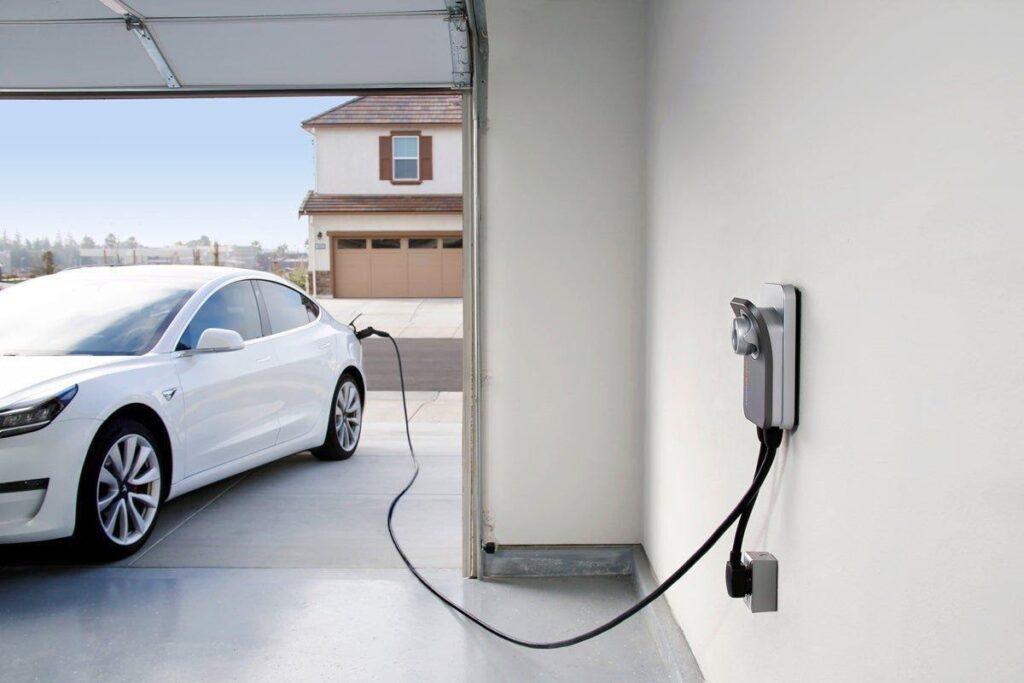
When we first consider buying an electric car, the first question is: “Hey, how long does it take to charge?” And honestly, it’s a genuine concern. While filling a petrol or diesel car’s tank takes only 2–3 minutes, the entire charging system for electric vehicles is slightly different. Charging time depends on three factors: battery capacity, charger power output, and how far you want to charge the car. Nowadays, EV users typically top up their cars from 20% to 80% instead of a full 0–100%. Because charging speed slows down after 80% to maintain battery health. Overall, charge time can vary from 30 minutes to 10 hours.
The Game of Battery Size and Charger Type
It’s important to understand electric car batteries. Battery capacity is usually measured in kilowatt-hours (kWh). The larger the battery, the greater the range, and the longer the charging time. Chargers, on the other hand, fall into three categories: Level 1, Level 2, and DC Fast Charger. Level 1 is like a normal household plug, but very slow. Level 2 is slightly more powerful, found in most home setups and mall charging points. DC Fast Chargers are found on highways or at public stations and provide faster charging. For example, if your car has a 60 kWh battery, a full charge can take 20+ hours with Level 1, 6–8 hours with Level 2, and just 30–45 minutes with a DC Fast Charger.
Charging at Home: A Game of Comfort
Home charging is the most convenient. A Level 1 charger comes free with every car, but it can slow down with daily use. Installing a Level 2 charger requires a small investment, but the convenience is priceless. Imagine: plug in the car at night, wake up in the morning with a ready-to-go vehicle. Just like charging a phone overnight. Charging time here is typically 6–10 hours, which is perfect for most people’s daily routines. There’s also an emotional comfort to home charging. Meaning, there’s no queue like at a petrol pump, no extra tension. It’s just part of the routine. It also reduces fuel costs in the long-term, which is why many EV owners swear by home charging convenience.
Fast Charging Stations: When it’s Quick
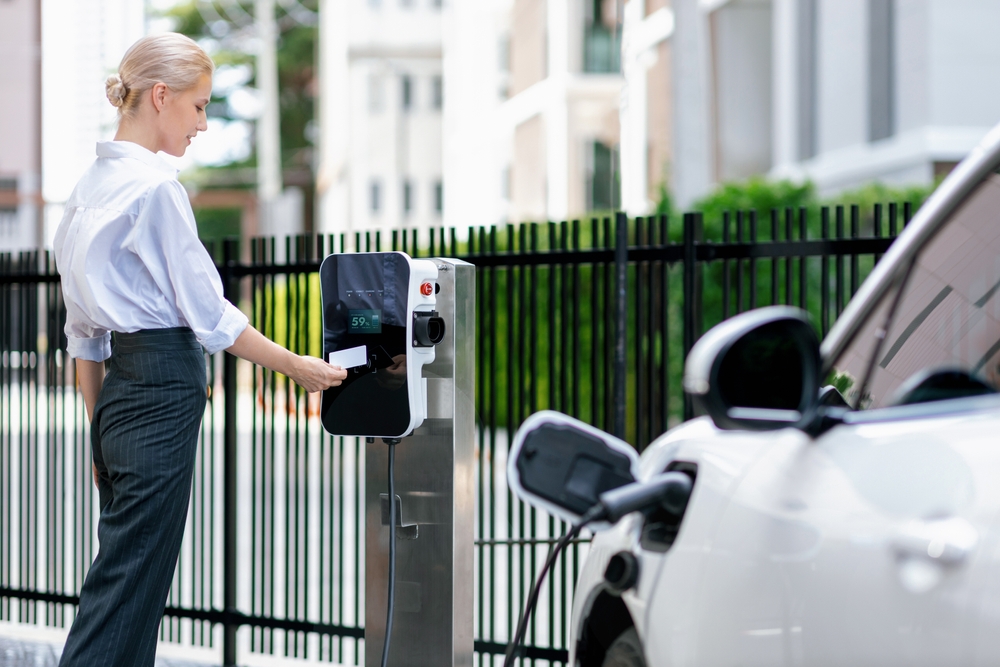
Sometimes we need an immediate charge, especially during long trips or unexpected plans. This is where DC Fast Chargers become a lifesaver. They offer high power supplies that quickly top up the battery. For example, networks like Tesla Supercharger deliver 150 kW to 350 kW. With these chargers, you can charge from 20% to 80% in about 15–40 minutes, depending on the car model. But remember: frequent use of fast charging can have a slight long-term impact on battery health. So it’s best used when needed, not daily. This charging method is perfect for people who enjoy road trips or who frequently undertake long-distance travel.
Real-World Factors That Affect Charging Speed
Charging time isn’t determined solely by the charger and battery. Temperature, the car’s battery management system, and the percentage of charge you’re charging at all play a role. If the weather is cold, charging slows down. If the battery is already hot, the system automatically slows down to prevent overheating. Another factor is the charging curve. Charging is fast initially, but purposefully slows down after 80% for longer battery life. So, when traveling, a quick top-up of 20–80% is more practical. Once you understand this concept, EV charging becomes a predictable and stress-free routine.
Road Trip Planning: How to Beat Range Anxiety
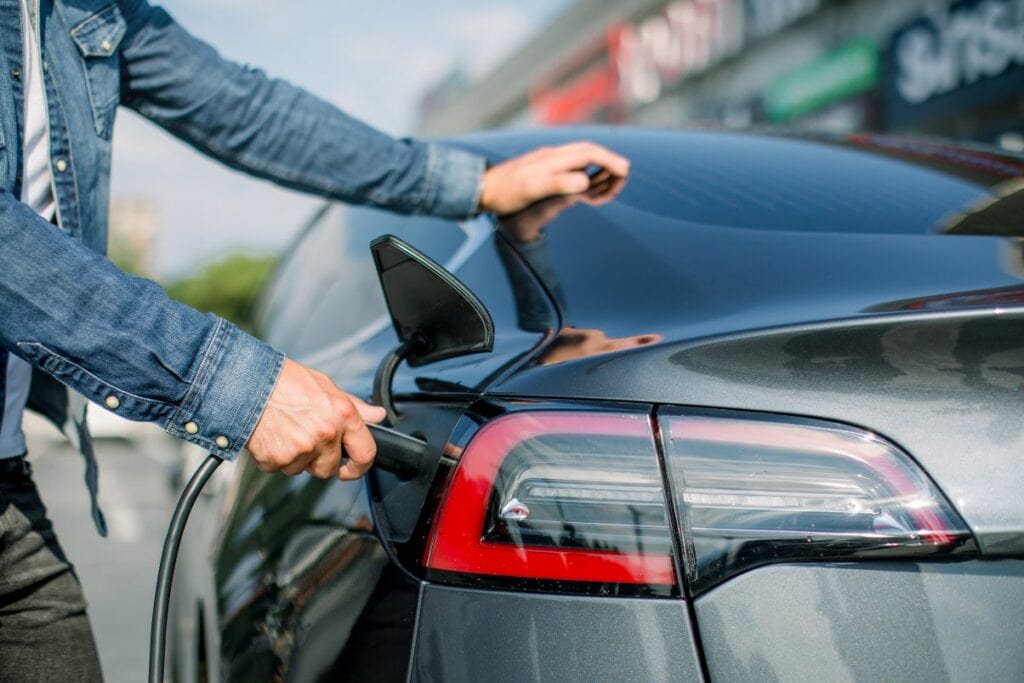
If you’re a fan of long drives, planning a trip with an EV requires a little strategy. But once you get into the rhythm, trust me, it can be quite enjoyable. You just have to ensure fast chargers are available along the route. Apps like Plug Share, Charge Point, and Google Maps help with this. And always align charging breaks with food, coffee, or stretching. In a way, EV travel becomes a mindful experience where you’re not rushing, but feeling the journey. Range anxiety is there initially, but after a few trips you become confident that the car and chargers will never disappoint you.
Exotic Car Driving Experience vs. EV Charging Patience
If you’re a fan of thrills and speed, you’ve likely seen ads like “Test Drive Exotic Cars,” “Drive a Ferrari,” “Drive a Lamborghini,” “Drive on a Racetrack,” “Drive Sports Cars Atlanta,” “Drive Lamborghini on Track,” “Drive a GTR,” and “New Orleans Exotic Car Driving Experience.” Exotic cars provide an instant adrenaline rush—the excitement of light-speed miles per hour. But EVs have a different charm. EVs feel smooth, silent, and futuristic, like putting technology at your fingertips. One offers racing thrills, the other offers calm, efficient commuting. Both experiences are valuable—one for passion, the other for the comfort of daily life. You can enjoy both, depending on your lifestyle.
Final Practical Tips & Conclusion
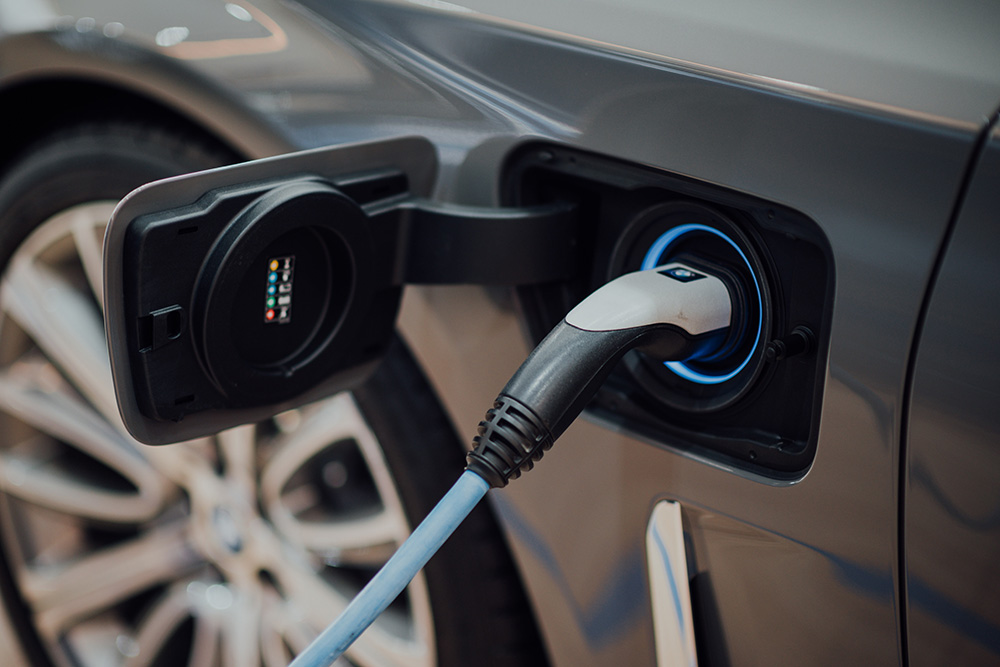
If you’re planning an EV purchase, understanding your routine and travel patterns is paramount. If you mostly drive in the city, home charging is perfect. If you frequently travel on the highway, ensure fast chargers are available on your routes. Always remember: EV charging isn’t difficult; it just requires a slightly different mindset. Just like we charge our phones daily, integrate your car into our schedule. A little time, a little understanding—and EV life becomes extremely comfortable. The future is electric, and the sooner we adapt, the easier the transition will be.