How Long Does Car Paint Take to Dry
Tags: car paint curing, car paint drying time, car painting guide, Drive a Ferrari, Drive a GTR, Drive a Lamborghini, Drive a Lamborghini Huracan, drive exotic cars, drive sports cars Atlanta, Exotic Car Driving Experience, exotic car paint, exotic car racing experience, Ferrari paint drying, how long does car paint take to dry, Lamborghini paint drying, light speed miles per hour, new car paint care, paint drying tips, racetrack driving experience, speed miles per hour, sports car paintHow Long Does Car Paint Take to Dry
Understanding the Basic Drying Process
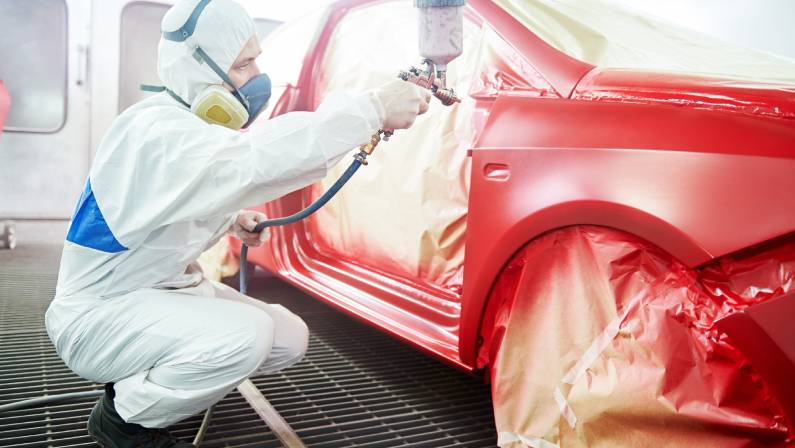
Many people think that once the car paint is applied, the car will be ready in just an hour or two. But the reality is a little different. Car paint drying has two phases: surface drying and curing. Surface drying means the paint becomes touch-dry, meaning it’s not sticky when lightly touched with a finger. This can typically take from 30 minutes to 24 hours, depending on the paint type and environment. But the actual drying, called curing, hardens the paint internally and can better repair scratches or dents. This process can take from 7 to 30 days. So if you’re planning to drive your freshly painted car out on the road, have some patience. It’s important to focus on quality, not speed.
Different Paint Types and Their Drying Time
Each paint has a different drying time. Acrylic lacquer paint dries quickly, but has slightly less durability. It usually touches dry in 20-60 minutes. Acrylic enamel paint is slightly more durable, but has a longer drying time—from 1 to 8 hours. If the shop uses urethane paint, it offers the best durability, but curing time can range from 1 week to 1 month. Sometimes when you go to an exotic car detailing shop — like one where you attend events like Drive Exotic Cars, Ferrari Driving Experience, or Drive a Lamborghini Huracan — urethane-based coatings are mostly used because a high-end paint finish is required. So, the paint type matters.
Temperature and Weather Impact
Weather has a significant impact on car paint drying time. If your car is painted in a humid area, drying will be slower because moisture slows paint solvent evaporation. On the other hand, high temperatures speed drying, but if the temperature is too high (such as in direct sunlight), the paint can crack quickly. The best environment-controlled paint booths are those used in professional detailing garages—where high-end vehicles like Exotic Car Driving Experience and Drive Sports Cars are maintained. The ideal temperature range is 18°C to 25°C. If you’re painting at home, ensure the car is out of direct sunlight and that airflow is controlled.
How Long Before You Can Wash the Car?
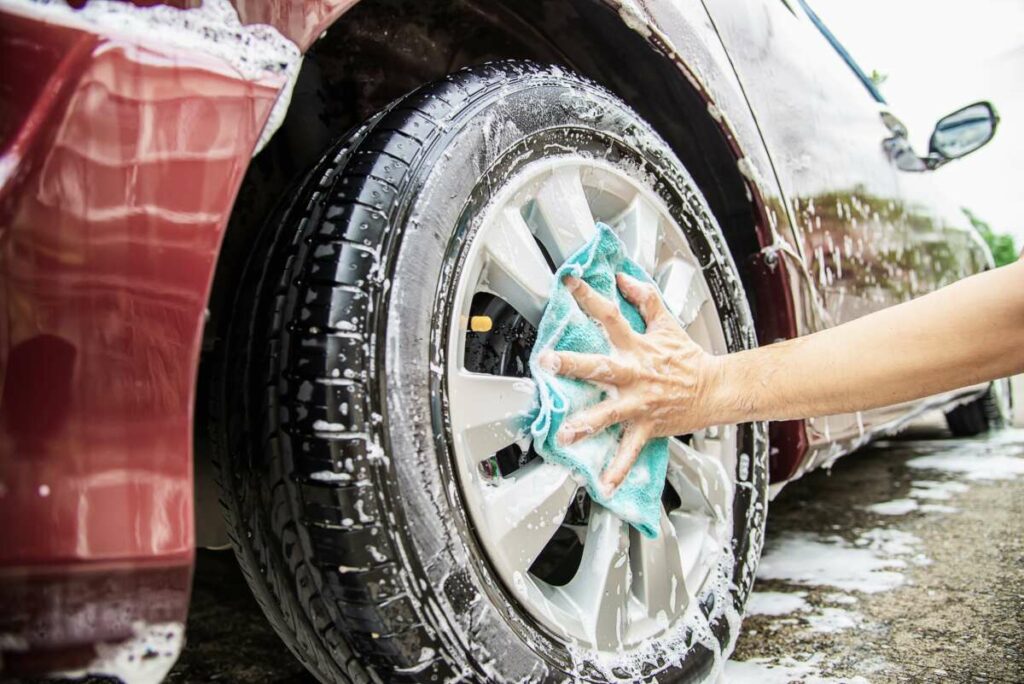
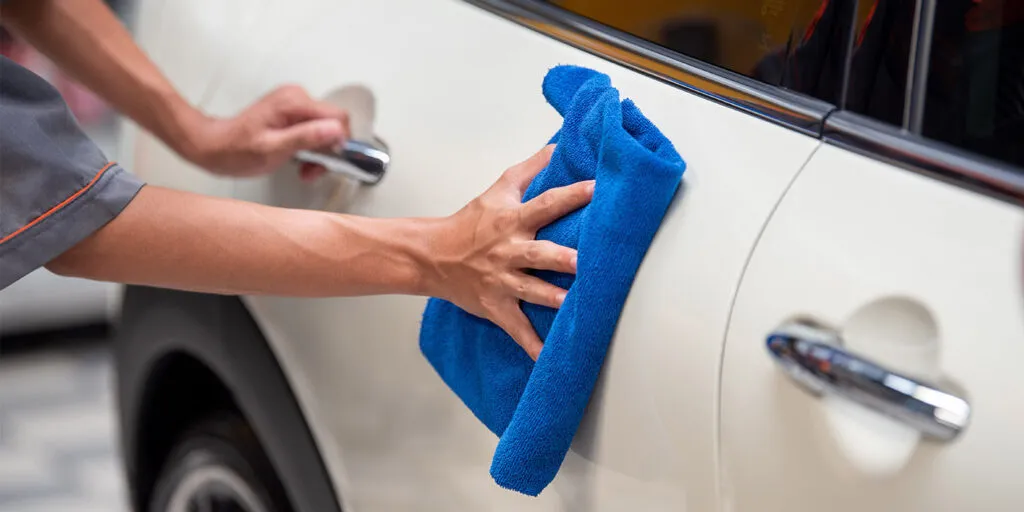
The biggest test of fresh paint is when the owner becomes impatient: “When can I wash it?” You should avoid washing the car for two weeks, even after the surface is dry. This is important because detergents and pressure jets can disturb the paint’s curing process. If you absolutely must keep your car clean, use only plain water and an ultra-soft microfiber cloth, and do so gently. Avoid waxing or ceramic coatings for at least 30 days. Many people take their freshly-painted cars for rides like Drive Sports Cars Atlanta or Drive Lamborghini on Track for experiences — but please avoid, as airflow and road debris can damage the paint surface.
When Is It Safe to Drive a Car?
Generally, the car can be driven 24 to 48 hours after the surface dries. But remember: this is the cosmetic safety stage, not the durability safe stage. Drive lightly during this time. Avoid high speeds (not light speed miles per hour!), avoid highways, and keep the car away from crowded parking lots. If you were planning a weekend driving experience, like Drive a GTR or Exotic Car Racing Experience, wait a bit. Let curing complete. Once the paint is fully cured, it’s safe to take the car to the racetrack. Patience is an investment here—haste only leads to regret.
Signs: Paint Has Not Dried Properly
Sometimes people think the paint is dry, but some visible signs indicate incomplete drying. For example, if the paint surface feels sticky, or a slight dent is left when you press it with your finger, the paint is still soft. If reflections in sunlight appear blurry or uneven, the curing process is incomplete. Worst case scenario, if the top layer of paint develops wrinkles, an orange peel finish, or fading patches, it means heat or moisture has interfered. This often happens when people rush to show off their freshly painted cars on “Drive an Exotic Car”-type city tours. Always listen to your auto painter—their advice is gold.
How to Speed Up Drying Safely
If you want to speed up the drying process, the best solution is a professional heated paint booth. In booths there is controlled temperature and humidity which allows paint to cure evenly and quickly. Using a home-based DIY blow dryer or industrial heater is risky because uneven heat can cause paint blisters to develop. You can also ensure that there is a dust-free environment in the garage, because dust particles make the wet paint uneven. Some people choose to drive in Exotic Car service workshops in detailing packages where accelerated curing UV lamps are used — this technique is especially used for luxury supercars. Safe and steady speed curing process gives best results — remember, paint job once done should last years.
Final Thoughts: Patience Pays Off
A freshly painted car feels almost like a new vehicle, and naturally, there’s excitement to take it out on the road. But just as timing is everything in racetrack driving—rides like driving a Ferrari, a Lamborghini, or the Exotic Car Driving Experience demand patience and preparation—the same principle applies here. The process of paint drying and curing is a slow and steady transformation. The more patience you show, the more durable and glossy the finish you’ll get. So, next time you get your car repainted, adjust your calendar, slow down your life, and give it its time. The result is honestly worth it.