How much does a train car weigh
Introduction: Train Car Weights and Why They Matter
If you’ve ever stood next to a train and wondered how heavy it must be, you’re absolutely right. Train car weight isn’t just a number; it’s also an important aspect of engineering and safety. Today, I’ll explain the average weight of a train car and how it relates to our daily lives and travel experiences. Even when you drive exotic cars like a Lamborghini Huracan or Corvette, the concepts of weight and mass are similar—they have a direct impact on speed and handling. In this article, we’ll discuss train car weight facts, types, and real-life examples.
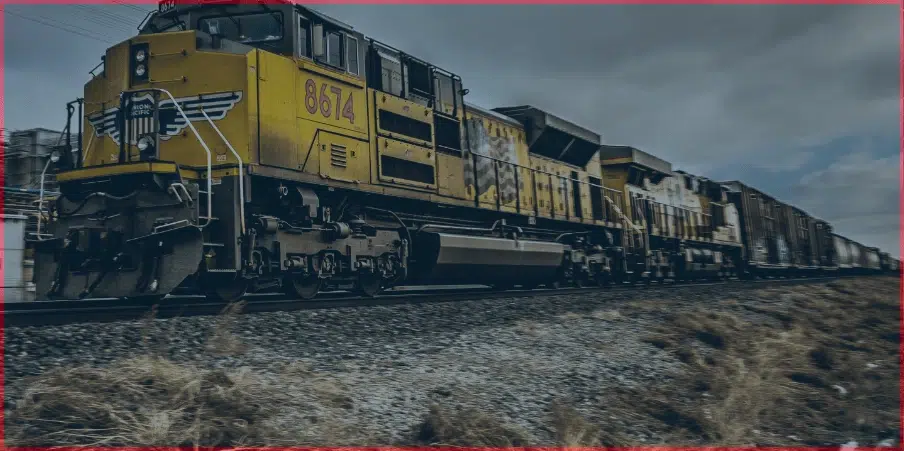
Understanding the Average Weight of a Train Car
Generally, a standard freight train car weighs between 30,000 and 80,000 pounds. Passenger train cars are slightly lighter, around 50,000 to 60,000 pounds. This weight depends primarily on the car’s size, material, and design. You might be wondering, how does such a heavy object move? This depends on engine power and efficient track design. When we drive sports cars, we feel the weight during acceleration and braking. The same physics apply to train cars, just the scale is larger. Understanding this helps you develop better feel and control even in exotic car driving experiences.
Different Types of Train Cars and Their Weights
Train cars aren’t just one type. You might encounter passenger, freight, tank, and gondola cars. Freight cars carry heavy cargo and can weigh over 100,000 pounds. Passenger cars are lighter because comfort and seating arrangement are important. Tank cars are designed for liquids, and refrigerated cars are designed for perishable items. Each type weighs differently, and this directly impacts train speed and stopping distance. If you’ve driven exotic cars like a Lamborghini or Porsche, you’ll understand how weight distribution affects handling and speed.
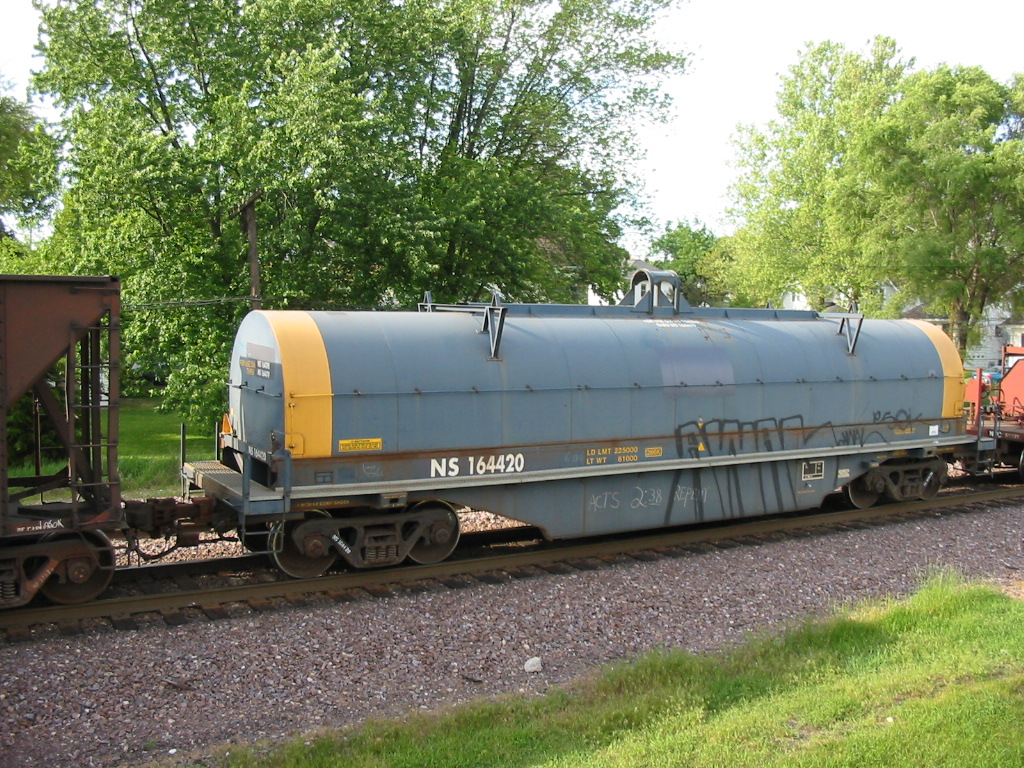
Freight vs Passenger Train Cars: Key Differences
Freight train cars primarily carry goods, so they are heavier. Their structure is made of steel and they feature rugged designs. Passenger train cars are designed for comfort and weigh comparatively less. This difference is important to understand because braking distance and speed control are more challenging for heavier freight cars. You also feel the weight when driving an exotic car. When you race a Corvette at the Daytona Exotic Car Track or drive a Lamborghini on track, you naturally manage mass while accelerating and braking, just like train cars, based on physics.
Why Train Car Weight Affects Driving and Safety
Train car weight isn’t just a numbers game. Heavy cars are challenging to maneuver, brake, and handle curves. If weight isn’t properly distributed, the risk of derailment increases. You can see this concept in sports cars as well. When you drive a GTR or Ferrari, the car’s weight and balance impact handling and cornering performance. This same principle applies to train cars. Engineers calculate weight and center of gravity in every train design to ensure a smooth and safe ride.
Real-Life Example: How Engineers Calculate Train Car Weight
An engineer performs detailed weight calculations when designing a train car. They adjust the numbers based on cargo type, car material, and safety standards. If a tank car is fully loaded, it can weigh around 120,000 pounds. Passenger cars also face weight management after including seats, air conditioning, and amenities. These real-life calculations are similar to weight management in exotic car racing. When you drive an exotic car on a Daytona track, you naturally feel the weight balance and optimize engine power.

How Train Car Weight Influences Fuel Consumption
Train weight directly affects fuel efficiency. Heavy freight trains consume more fuel and require powerful engines for speed control. Passenger trains are lighter, so their fuel consumption is comparatively lower. This principle is also evident when driving exotic cars. When you drive a Lamborghini Huracan or Porsche, the car’s weight and aerodynamics affect fuel consumption and acceleration. Real-life understanding of weight and balance not only helps engineers but also driving enthusiasts who want to achieve better control and efficient performance.
Comparing Train Car Weight to Sports Cars You Can Drive
If we compare the weight of a train car to that of exotic cars, the scale is quite different. A freight car is 80,000 pounds, and a Lamborghini Huracan is only 3,200 pounds. But the concept is similar – controlling mass and momentum. When you race a GTR or Corvette in the Drive Sports Cars Atlanta experiences, you naturally experience the physics of acceleration and braking. This understanding gives you an advantage in driving exotic cars, such as developing a real-time feel for weight distribution and handling.
Exotic Car Driving Experience: Feeling the Power vs. Train Mass
The thrill of driving an exotic car partly comes from weight and speed control. Train cars weigh a lot, but accelerate slowly. Sports cars combine light weight and powerful engines. When you drive a Lamborghini Huracan on track or experience a Ferrari, you get a real-time sense of momentum and balance. This understanding helps make the exotic car racing experience safe and enjoyable, just as engineers optimize train design and safety.
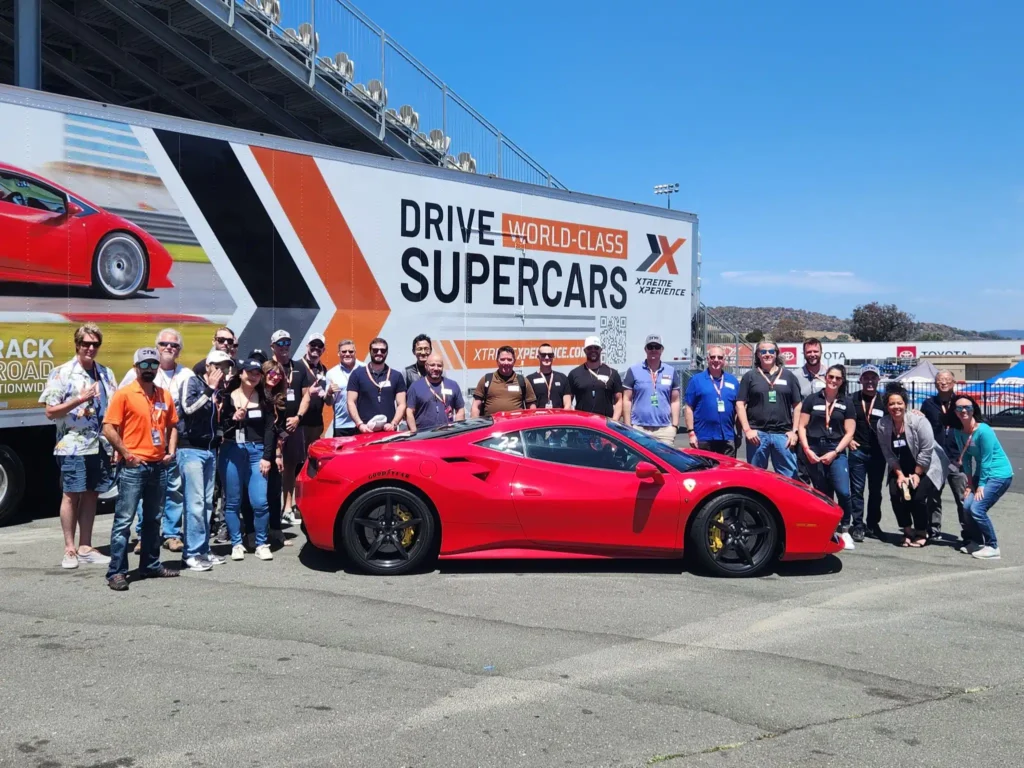
Drive a Lamborghini or GTR: Understanding Heavy vs. Light Machines
When driving a GTR or Lamborghini, you immediately feel the weight difference. Lightweight cars accelerate faster and have responsive handling. Train cars are heavier, so managing their momentum is a slow and calculated process. This contrast is interesting to understand because the physics of heavy and light vehicles are similar – affecting speed, braking, and turning radius. If you’re trying the Exotic Car Racing Experience, this knowledge is very useful and improves driving confidence.
Day Trips: Drive a Corvette While Imagining Train Car Weight
Imagine you’re racing a Corvette at the Daytona Exotic Car track. The car is light and nimble, and you’re handling corners smoothly. Now imagine the train weighs around 80,000 pounds. This contrast gives you a real sense of physics and momentum. Maintaining the balance of speed and control in exotic car driving experiences is similar to the design and operation of train cars. This mental exercise enhances your driving skills and makes exotic car adventures more memorable.
Conclusion: Lessons from Train Car Weights and Exotic Car Experiences
Train car weight isn’t just an engineering fact; it’s also an example of understanding real-life driving and physics. Freight and passenger cars weigh differently, and this directly impacts fuel efficiency, safety, and handling. You experience these same principles in exotic car driving experiences—weight, balance, and momentum. If you drive sports cars or experience Lamborghinis on track in Daytona, New Orleans, or Atlanta, you naturally develop a sense of weight and control. This knowledge makes you a smarter and safer driver and maximizes the thrill of exotic car experiences.