How many volts does a car battery need to start
Why is it important to understand car battery voltage?
If you drive a car, the question “how many volts does a car battery need to start” likely crosses your mind. Most people simply turn on the ignition and the car starts, but when the car doesn’t even crank for a day, you realize how important a role the battery plays. We tend to think of a car battery as a simple power source, but behind it lies a complete electrical system that supports the engine starter, lights, ECU, and accessories. Understanding the ideal voltage for starting a car can save you unnecessary mechanic visits. This knowledge is especially useful for drivers who plan long drives, be it a daily commute or an exciting driving experience like Test Drive Exotic Cars, Ferrari Driving Experience, Drive a Lamborghini Huracan, or adventure trips like Drive Sports Cars Atlanta.
Standard Car Battery Voltage: What Should It Be Ideally?
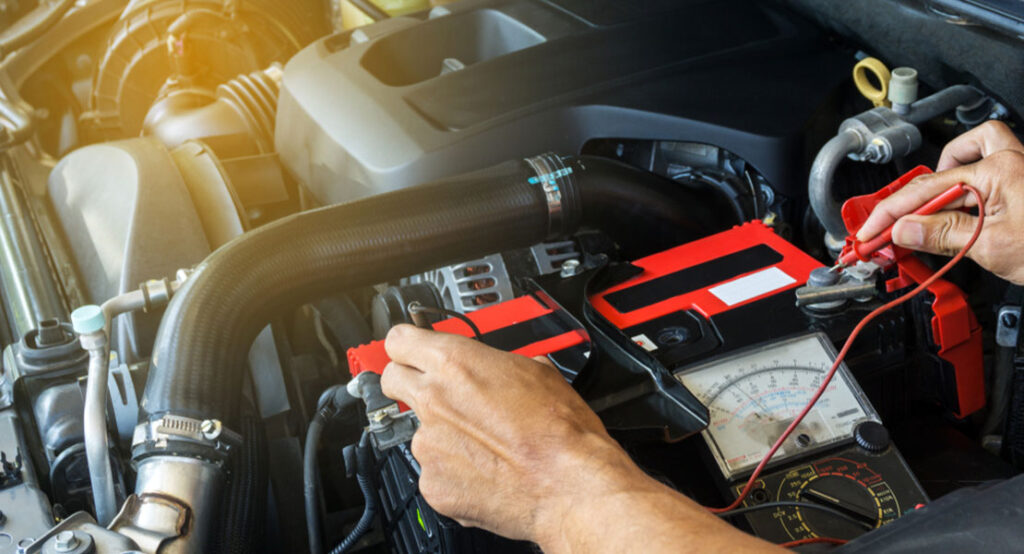
A standard car battery generally reads 12 volts, but when we specifically talk about “how much voltage is needed to start the car,” the ideal reading is 12.6 volts when the car is off. If the battery is healthy, the voltage may drop momentarily when the ignition is turned on, but it should be above 9.6 volts when the starter motor engages. If the voltage drops below this, the car will either not crank or will crank very slowly. This is the feeling you get when you turn the key and the engine makes a slow “ghr ghr ghr” sound. Just as a difference of “light speed miles per hour” on a race track defines real-life performance, a difference of 1-2 volts decides battery performance.
How to tell if your battery is weak?
There are simple but important signs of a weak battery, such as a slow ignition, dim headlights, dashboard lights blinking, or poor performance of accessories like the AC and infotainment system. Sometimes the battery seems perfectly fine, but the voltage drops before the car starts. Therefore, checking the battery with a multimeter is a practical habit. If you enjoy car trips, such as driving exotic cars, driving on a racetrack, driving a Ferrari, or driving a Lamborghini on track, battery maintenance becomes even more important. Why? Because performance cars have high power demands, and a low battery can ruin a track day.
The Alternator’s Role: The Battery Isn’t Everything
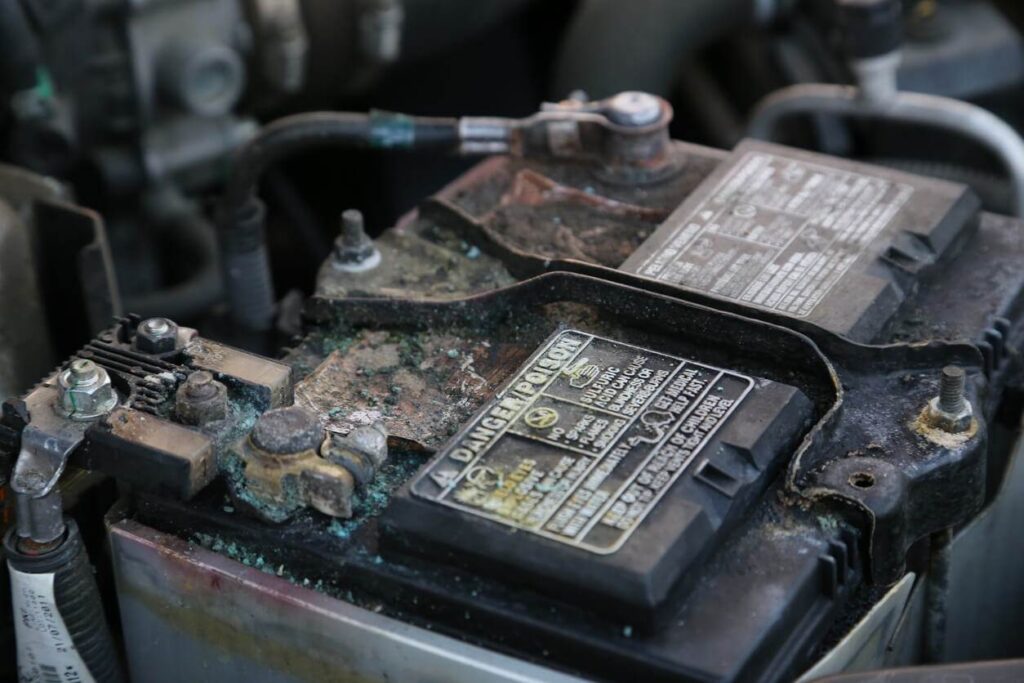
The car battery is only for starting the engine. Once the engine starts, the alternator handles the power supply and also recharges the battery. If the alternator is weak, the battery, even if new, will discharge quickly. The alternator ideally supplies 13.8 to 14.4 volts to a running car. If the voltage in a running car is dropping below 12.8, the problem may be with the alternator, not the battery. This is why many people replace the battery without checking it, when the real problem is with the charging system. It is very important to understand this to avoid the hassle of visiting the service center.
How to Check Battery Voltage at Home?
All you need is a basic digital multimeter. Turn off the car, connect the tester to the battery terminals, and note the reading. 12.6V or higher is considered optimal, 12.4V is good, 12.2V is weak, and 12.0V or lower indicates battery failure. Start the car and test again – it should read 13.8–14.4V in running condition. If you’re planning a track day, like the Exotic Car Racing Experience, Drive a GTR, or Drive an Exotic Car for a Day in New Orleans, make checking your car a pre-ride ritual. This little thing can prevent bad trips.

Practical Tips to Extend Battery Life
You can adopt some easy habits to extend battery life. Avoid short trips where the engine doesn’t have time to complete its charge cycle. Don’t let the car idle for long periods with music or the AC on. Keep terminals clean and corrosion-free. If your car is used less often, use a smart charger or battery maintainer. This is especially useful for car enthusiasts who have sports cars in their garage or who enjoy occasional drive sports car tours. Regular maintenance builds trust between you and your machine.
Common Myths People Still Believe
One popular myth is that “the battery never fails when the car is driven daily.” The reality is that high heat, humidity, short trips, and poor alternator output damage the battery. Another myth is that a jump-started battery automatically recovers. Jump-starting is only a temporary solution; restoring the original charge is essential. These misconceptions must be dispelled to avoid unnecessary expense.
Summary: Conclusion in Simple Language
So, how many volts does a car battery need to start? The simple answer is 12.6 volts is the ideal resting voltage and 9.6 volts is the minimum cranking voltage. If you’re getting 13.8 to 14.4 volts while running, the system is healthy. Understanding a car battery isn’t a complex science; it just requires a little attention and basic testing. Whether you’re commuting daily or planning an exotic car driving experience like the Ferrari Driving Experience, Drive an Exotic Car, or Drive Sports Cars Atlanta, a reliable battery means a stress-free ride. Treat your car like a partner, and with care, you’ll get the perfect response.