How to get glue off car
Tags: adhesive remover for cars, car detailing tips, car paint care guide, get sticker glue off car, glue residue removal car, how to get glue off car, how to remove adhesive from car, remove dried glue from car, remove glue from car paint, remove tape residue from car, safe glue removal from car paint, sticker residue removalHow to get glue off car
Understanding Why Glue Sticks So Hard on Car Paint
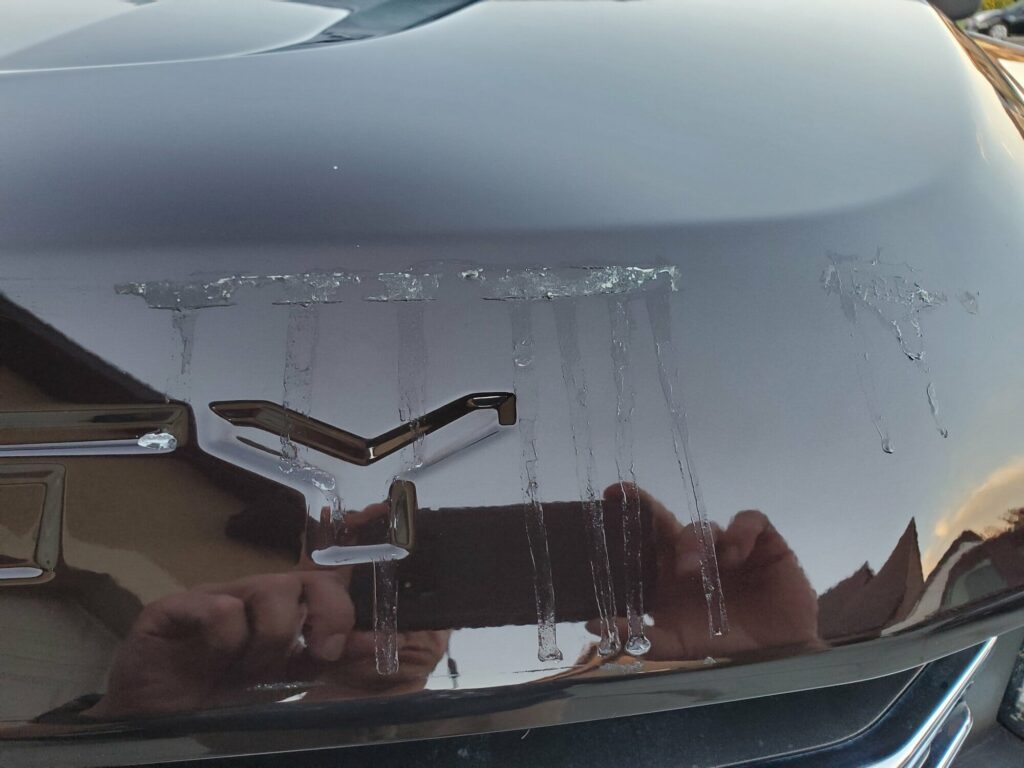
If you’ve ever made the mistake of pulling off a sticker or had detailing tape leave a strong residue on your paint, you know how stubborn glue can be on a car’s surface. Glue is designed to resist moisture, heat, and movement—that’s why it simply won’t come off with water. I once encountered this while DIY detailing, where masking tape residue stuck to a bumper and wouldn’t come off with normal shampoo. Patience and proper technique are crucial in such cases. Once you understand how to remove glue without damaging the paint, the process becomes much smoother. In this article, I’ll explain step-by-step how to get glue off a car safely and effectively.
Why You Should Avoid Scraping Glue with Nails or Blades
The number one mistake people make is scraping glue with fingernails, a metal blade, or a coin. I remember a friend using a blade to remove a sticker from a bumper, leaving two noticeable scratches on the paint. Car paint is layered and delicate, and any sharp object can scratch the surface. So, no matter how stubborn the glue is, it’s important to avoid scraping. Metal blades create micro-scratches that become more visible in sunlight. The safest way to remove glue is always chemical loosening and gentle wiping. This approach protects the paint and softens the residue, allowing it to be easily removed.
Using Warm Soapy Water for Light Glue Residue
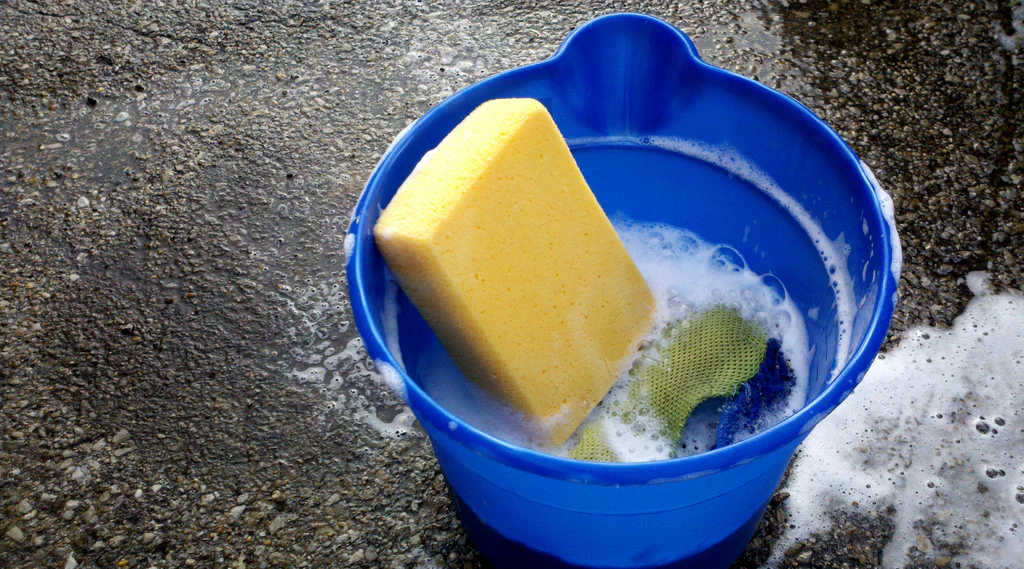
If the residue isn’t too heavy, warm soapy water can be surprisingly effective. I first dip a microfiber cloth in hot water, add a little car shampoo, and then press the cloth directly onto the glue residue. The heat softens the adhesive, and the detergent breaks it down. You need to hold the cloth on the surface for at least 2–3 minutes. Then, rubbing in a circular motion will cause the light residue to lift off on its own. Light stickers, tape marks, and packaging adhesive normally come off using this method. This is a 100% safe method for paint and a perfect start for beginners when figuring out how to get glue off a car without damaging paint.
Why Goo Gone or Adhesive Removers Work So Well
When residue is thick, sticky, or in multiple layers, professional adhesive removers like Goo Gone, 3M Adhesive Remover, or Turtle Wax Safe Scraper solution are very helpful. These products contain citrus-based solvents that dissolve the adhesive without harming the paint. I personally used a 3M product when a dealership sticker left residue stuck to the rear glass. Simply spray the product, let it soak for 1 minute, and gently wipe with a microfiber cloth. The glue literally melts away. The advantage of adhesive removers is that they cause chemical breakdown, which reduces rubbing and keeps the paint scratch-free.
Using Rubbing Alcohol for Tough, Dried-Out Glue
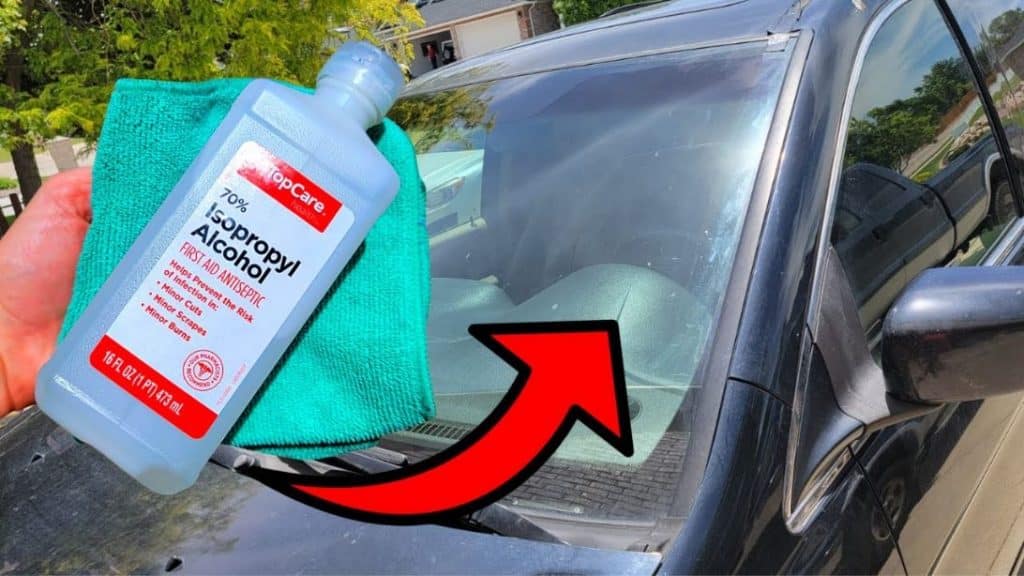
Sometimes the glue becomes so dry that even normal soap or adhesive remover doesn’t work immediately. In such cases, rubbing alcohol—specifically 70–90% isopropyl alcohol—comes in handy. This solvent breaks down the adhesive polymers and loosens the residue. I typically apply the alcohol to a cotton pad or microfiber cloth, press it onto the residue, and let it soak in for 30 seconds. Then, lightly rubbing, the dried glue begins to flake off. One advantage of alcohol is that it’s fast-evaporating, so it doesn’t leave streaks on paint. Just be sure to use alcohol sparingly on matte or satin finishes, as excessive rubbing can dull the surface.
Applying Heat with a Hair Dryer for Stubborn Adhesives
Heat is an old and proven method for adhesive removal. When the glue is high-strength—like old bumper stickers, vinyl decals, or double-sided tape—a hair dryer is the perfect tool. Simply set the dryer to medium heat and warm the glued area for 20–30 seconds. The heat softens the adhesive, allowing it to be easily wiped away with a microfiber cloth. I once used the heat method when removing a car door guard, and the tape residue literally came off like butter. Important point: don’t use a heat gun, as it can blister the paint. A hair dryer is safe, controlled, and effective when you want to understand how to get glue off a car using heat safely.
Using WD-40 to Break Down Sticky Adhesives
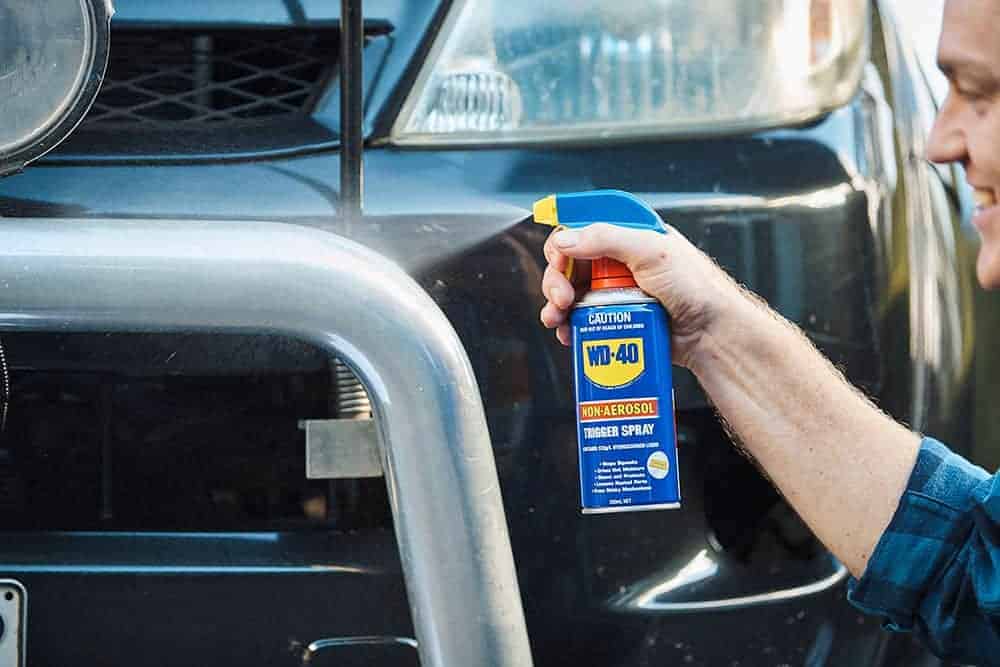
WD-40 is a multipurpose product designed for water displacement, but it’s also quite popular in the car detailing community for glue removal. Its petroleum-based formula softens the adhesive, which then wipes off. I once used WD-40 to clean old tape residue hidden behind a license plate frame. Simply spray, wait 1 minute, and wipe. The glue lifts easily. A bonus advantage of WD-40 is that it also gives the surface a temporary shine. Yes, it’s important to wash the area with car shampoo afterward to completely remove the oily residue.
Final Cleaning, Polishing, and Protecting Your Car Paint
After removing glue, one thing is absolutely crucial—properly finishing the paint. Adhesive removal chemicals can strip oils from the paint, so a final wash is mandatory. I normally use car shampoo, a soft sponge, and clean water. If you notice the paint looking a little dry and dull after washing, a quick polish or scratch-remover compound can restore the shine. And the most important step: protecting the surface with wax, sealant, or ceramic spray. This will prevent future sticker residue from sticking and keep the paint smooth. This provides long-term protection and ensures a perfect detailing finish.