How much wrap do I need for my car
Tags: car customization, car vinyl wrap, car wrap guide, car wrap measurements, car wrapping tips, Corvette wrap, Daytona Exotic Car, Drive a GTR, Drive a Lamborghini, Drive Sports Cars, exotic car wrap, Ferrari wrap, full car wrap, how much wrap do I need for my car, Lamborghini wrap, luxury car wrap, partial car wrap, Porsche wrap, sports car wrap, vinyl wrap installation, wrap cost guideHow much wrap do I need for my car
Understanding “How Much Wrap Do I Need for My Car” in Real Life
Car wrapping isn’t just a trend these days, it’s a smart investment. People apply wraps to customize their rides, cover scratches, or simply give it a fresh look. But the biggest confusion is: “How much wrap do I need for my car?” Unless you understand your car’s exact dimensions and the wrap’s stretch ability, you could end up overbuying or running out of material. So today’s article provides an explanation based on real human experience—with practical examples, an emotional connection, and an approachable tone. Whether you want to wrap a sports car, daily sedan, or a luxury exotic vehicle like the Lamborghini Huracan, this guide will help you plan your project confidently.
Measuring Your Car Like a Pro Before Ordering Wrap
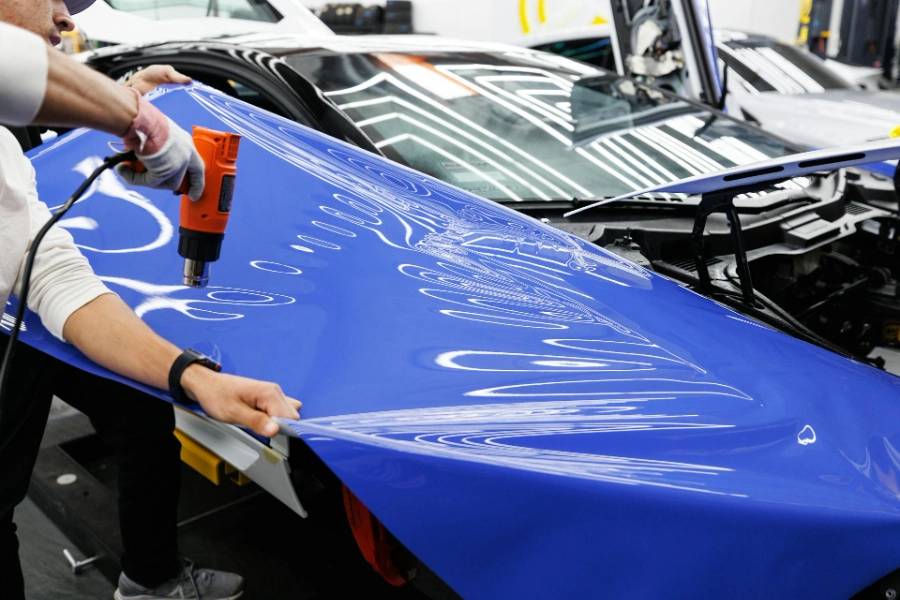
The best method for calculating the exact amount of wrap is to consider the car’s overall surface area. Normally, sedans require 50–60 feet of vinyl wrap, SUVs 60–75 feet, and trucks over 75 feet. But these numbers only work when you use precision. In my experience, when people get sports car wrapping done in places like New Orleans or Atlanta, they always have to have a professional measure it. Hood, roof, doors, bumpers, side mirrors—all parts are measured differently. The wrap roll is usually 5 feet wide, so length is key. If you drive exotic cars like Corvette or Porsche and want to wrap them, there are more curves and angles, so add extra 10–15% material for safety.
Choosing a Vinyl Wrap Type That Suits Your Car and Personality
When calculating “how much wrap do I need for my car,” the wrap type also matters. Gloss, matte, chrome, satin, carbon fiber—all have different stretch abilities. Glossy wraps stretch easily, which means less material is wasted. Chrome wrap requires extra material because it tears easily. Sporty drivers who drive sports cars in Atlanta prefer matte or satin because it looks premium yet subtle. Those who enjoy Daytona exotic car experiences will find chrome or bold color wraps suitable. If you want to create an aggressive look inspired by Lamborghini driving or GTR driving experiences, you can also add carbon fiber accents. Wrap selection has a direct impact on the final quantity and cost per square foot.
Practical Examples: How Much Wrap Different Cars Actually Use
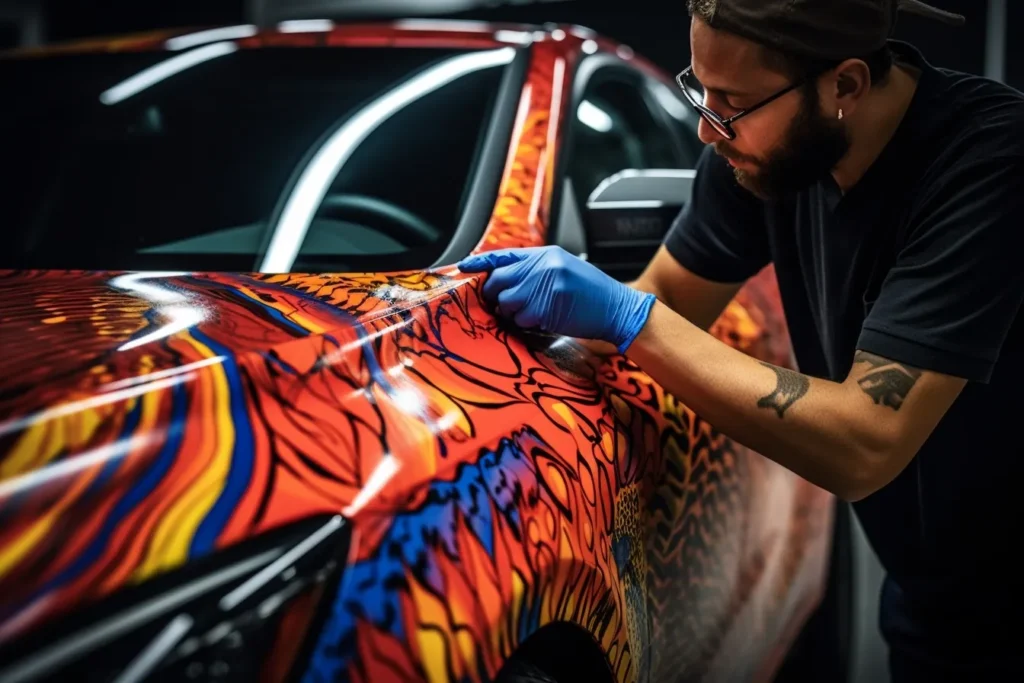
Let’s understand with real-life examples. Standard sedans—like the Civic or Corolla—generally require 50–55 feet of wrap. Compact cars like the Mini Cooper require 40–45 feet. Sports cars like the Corvette require approximately 55–60 feet because of complex curves, especially if you plan to explore exotic car racing experiences later. Exotic cars like the Lamborghini Huracan, which people like to drive on tracks or take rental experiences, should have 65–70 feet of material because bumpers and aerodynamic edges consume more material. Cars like the Porsche, Ferrari, and GTR usually consume 60–65 feet. SUVs like the Fortuner or Tahoe require 70–75 feet. These values are industry-tested, refined by observations from my professional detailer friends and personal projects.
Avoiding Common Mistakes People Make When Ordering Wrap
People make the most mistakes in measurement and planning. Sometimes they think that wrap is like cloth—whatever it looks like will suffice. But vinyl wrap is different—10–20% extra material is required due to heat, stretch, repositioning, and wastage. Another big mistake is that people buy cheap quality wrap, which is problematic to handle. If you drive sports cars, whether in New Orleans or Atlanta, wrap quality directly affects durability and shine. Chrome wrap can be a nightmare for beginners. People who enjoy exotic car driving experience usually choose professional installers because precision mistakes are clearly visible on high-end cars. Always discuss with your installer before ordering materials.
Cost Factors and Why Extra Wrap Is Always Worth It
When you calculate “how much wrap do I need for my car,” cost automatically comes to mind. The average vinyl wrap costs $5–12 per foot, depending on quality. If you wrap a Lamborghini Huracan or drive exotic cars regularly and want to keep your car show-ready, choose a high-quality wrap—it’s cheaper in the long run because it lasts longer and fades less. Installer labor costs also add up, but adding an extra 5–10 feet of wrap is always a smart decision. Imagine a situation: you’re wrapping a Porsche or Corvette and run out of material on the last bumper corner—that’s a nightmare and an extra cost. Extra wrap guarantees you stress-free installation and a better finish.
When Professionals Recommend Full vs. Partial Wrap
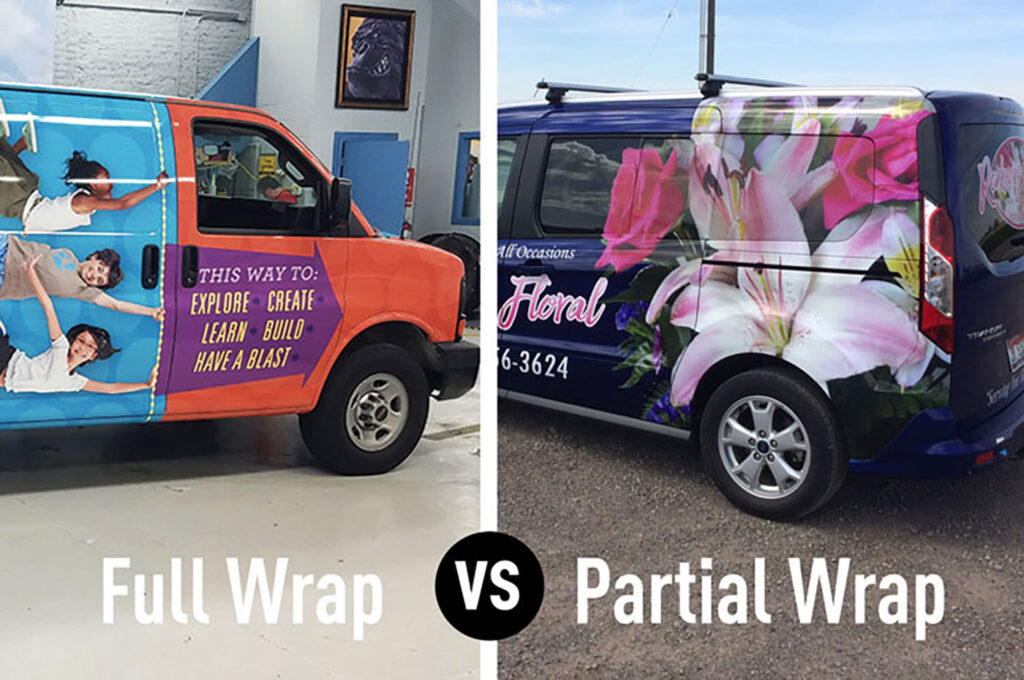
Car owners often decide on a full wrap when they want to experience track driving—like racing a Corvette, a Lamborghini, or attending exotic car sessions in Daytona. A full wrap not only transforms the appearance but also protects the original paint from debris and sun damage. Partial wraps—like the hood, roof, and mirrors—are more budget-friendly, but color matching can be tricky. If you drive sports cars in New Orleans or enjoy track sessions in Atlanta, full wrap protection is best because tiny stones can easily mar the paint at high speeds. Professional installers won’t always give advice without checking the condition of the car. If scratches are deep, paint repair is necessary first; otherwise, wrap marks may show. The decision always depends on lifestyle and usage.
Final Recommendation: How to Order the Right Wrap Without Stress
Finally, if you genuinely want to get the exact, stress-free answer to “how much wrap do I need for my car”, then follow the simple rule: car length × 3 + 10–15% extra. This rule is accurate in 90% cases. But if you drive a GTR, Lamborghini, Porsche, Ferrari, or any exotic car which has more aerodynamic curves, always go for +20% extra. Those who want to enjoy sports car driving experiences, they should always select premium wrap because heat and speed testing durability. Keep a checklist when ordering a wrap—surface area, wrap width, installer feedback, extra material, and tool kit. When the planning is strong, the wrapping experience is smooth, and the final result is exactly what you imagined—clean, bold, and head-turning.