How much do car batteries weigh
Tags: battery types for cars, battery weight for cars, car battery weight, car maintenance guide, car performance tips, Corvette battery weight, Driving Experience, exotic car battery, Exotic Car Driving, Ferrari battery weight, how much do car batteries weigh, Lamborghini battery weight, luxury car test drive, Porsche battery weight, sports car batteryHow much do car batteries weigh
Understanding Basic Car Battery Weight
When we ask “how much do car batteries weigh?” The simple answer is that most standard car batteries weigh between 25 and 50 pounds. But the actual weight depends on many factors—battery type, size, chemistry, and vehicle requirements. In my automotive experience, I’ve seen people often think of a battery as just a black box, but its weight affects many practical things, such as the car’s handling, fuel efficiency, and maintenance routine. If you’ve ever driven a sports car—like “Drive a GTR,” “Drive a Lamborghini Huracan,” or the Daytona Exotic Car Experience—then you know how much weight distribution matters. Therefore, battery weight also becomes a real-world factor.
Why Car Battery Weight Matters in Real Driving
If you’ve ever experienced high-performance driving, like Drive Sports Cars Atlanta or the Ferrari Driving Experience, you can easily understand that every extra pound of weight in a vehicle significantly impacts performance. Car battery weight impacts engine load, vehicle responsiveness, and acceleration. Lighter batteries provide a sportier feel, while heavier batteries provide more long-lasting power. In humid places like New Orleans, where people often enjoy Drive a Porsche or the Exotic Car Racing Experience, battery reliability becomes very important. Heavier AGM or lithium batteries handle extreme temperatures better. I always tell my clients: If you’re into long road trips, luxury test drives, or track days, battery weight is an invisible hero that supports both performance and comfort.
Different Types of Car Batteries and Their Weight Range
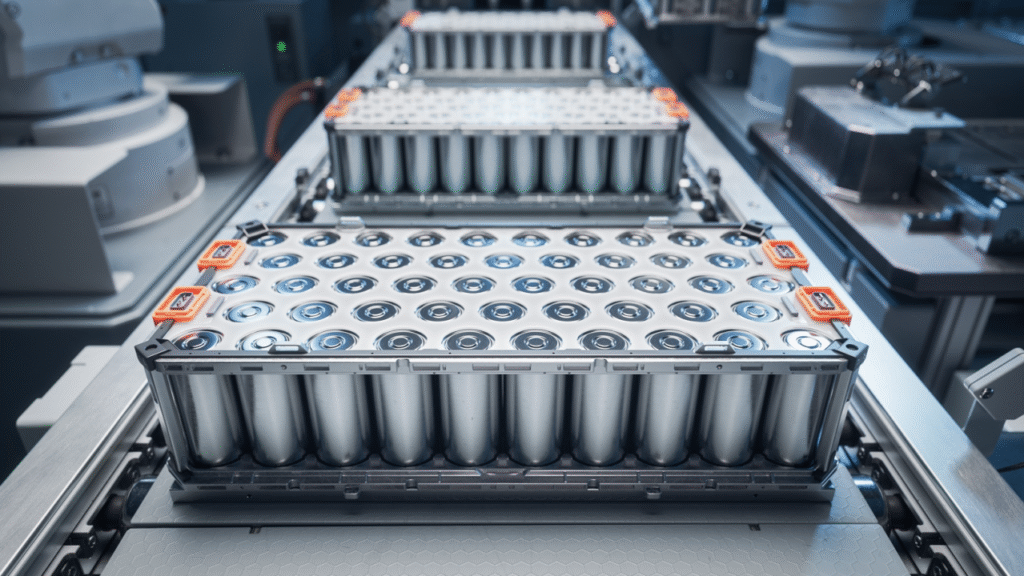
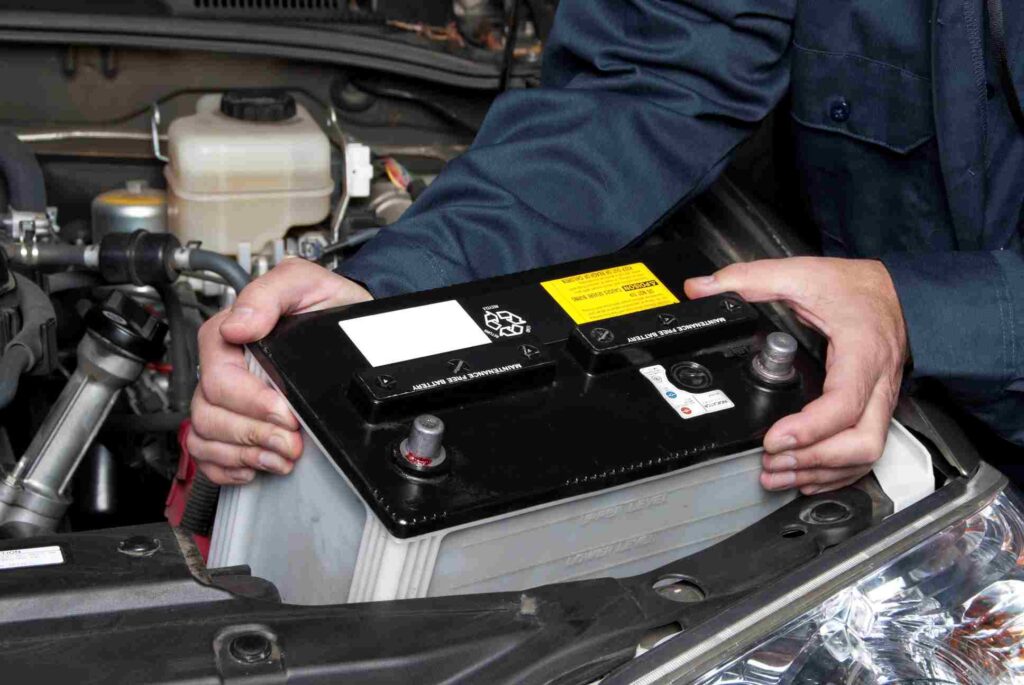
The biggest difference in the weight of car batteries depends on their type. Traditional lead-acid batteries typically weigh 30–60 pounds, while AGM (Absorbent Glass Mat) batteries are slightly heavier but offer better performance. Lithium-ion batteries are the lightest—only 10–20 pounds—but cost more. When you drive an exotic car or attend events like the Lamborghini Driving Experience, high-end vehicles almost always use lightweight, high-capacity batteries to ensure smooth acceleration. Race-oriented batteries, like those in the Experience Race a Corvette, are purposefully designed to be lightweight to maintain speed. Practical example: If you drive a normal sedan, a heavier battery might be fine, but in a sports car, even every extra 5 pounds is noticeable. The difference totally changes the driving feel.

How Battery Weight Impacts Fuel Efficiency and Handling
People often think battery weight is just a maintenance number, but it has a real impact on the driving experience. If you regularly drive sports cars, drive a Lamborghini on track, or drive an exotic car, you know that lightweight components make the car more agile. A heavy battery can make the front end feel weighty, which can make steering feel a little stiff. Lighter batteries also provide instant throttle response and better mileage. A friend of mine told me at the Daytona Exotic Car Experience that the Corvette with the lighter battery had clearly better corner exit speeds on the track. In daily driving, you might not notice the difference as much, but the long-term fuel savings and smoother ride are definitely noticeable.
Battery Weight in Luxury and Exotic Cars
Weight is the most important engineering factor in luxury and exotic cars—like Ferrari, Lamborghini, Porsche, and GTR. If you’ve ever “test driven” luxury cars or “driven a Lamborghini on track,” you’ll have noticed that these cars are incredibly lightweight and well-balanced. These supercars are equipped with high-output lithium batteries, which weigh almost half the weight of standard lead-acid batteries. When a Lamborghini Huracan races on the track, a lighter battery provides sharper braking, smoother acceleration, and responsive handling. This is why professional drivers always prefer lightweight battery setups. If you enjoy the thrill of an exotic car racing experience, you indirectly experience the impact of battery life with every lap—whether you realize it or not.
How to Choose the Right Battery Weight for Your Car
When people ask me, “What should be the ideal battery weight for my car?”, my answer is: “It depends on the purpose of the vehicle.” If you do casual city driving, a standard 30–50 pound battery is perfect. If you need a powerful sound system, cold weather crank power, or off-road use, a slightly heavier AGM battery is better. But if you enjoy thrill rides—like racing a Lamborghini or driving a Corvette—a lightweight lithium battery is more suitable. I’ve personally observed that people who attended sports car track events felt a noticeable acceleration improvement after upgrading to a lighter battery. So choose weight based on your lifestyle, not just the car model.
Real-World Example From Driving Experiences
I once attended a Drive Sports Cars event in Atlanta. A participant brought his modified Corvette with a heavy lead-acid battery installed. After two laps on the track, he complained that the car felt lazy cornering. The mechanic checked the battery and said, “Brother, your battery alone weighs 20 pounds more than the ideal setup for this car.” When he installed the lightweight racing battery, the difference was shocking—the car suddenly felt alive. Similarly, when people try to drive exotic cars in cities like New Orleans, humidity and heat impact battery performance, so slightly heavier AGM batteries are reliable. One thing is clear from all these experiences: battery weight can completely change the driving feel.
Final Thoughts: Battery Weight Matters More Than You Think
So if you genuinely want to know how much do car batteries weigh and why it matters, the simple answer is this: weight directly affects performance, reliability, mileage, and driving experience—whether you’re a daily commuter or someone who loves exotic car experiences. A battery is not just a power box; it’s an engineering element that shapes how your car behaves. Whether you dream of Ferrari Driving Experience, Drive a Porsche, Race a Corvette, or simply smooth everyday rides, choosing the right battery is the best decision in the long term. Every driver, whether a beginner or a professional, will understand this and treat the battery as a serious component—and his driving experience will automatically become next level.