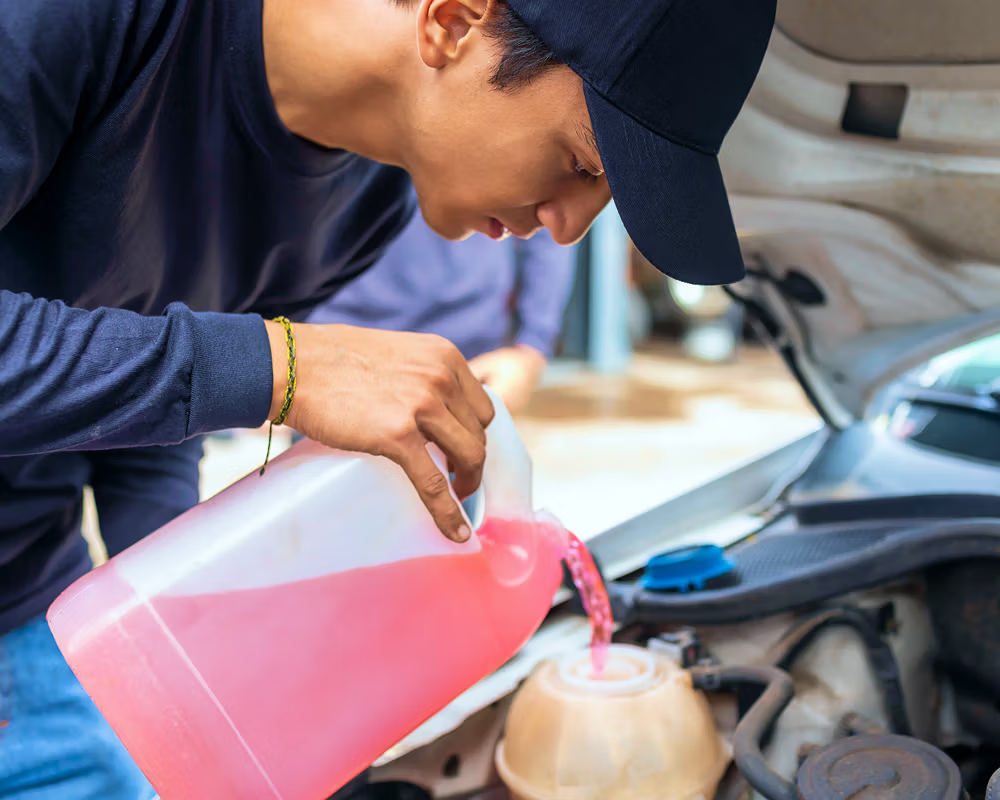
How much antifreeze do i need in my car
Tags: antifreeze ratio, car coolant guide, car maintenance tips, coolant capacity, Daytona Exotic Car Experience, Drive a Corvette, Drive a GTR, Drive a Lamborghini Huracan, Drive a Porsche, Drive a Sports Car, Drive an Exotic Car, drive exotic cars, Drive Lamborghini on Track, Drive Sports Cars, drive sports cars Atlanta, drive sports cars New Orleans, Driving Experience, engine overheating prevention, Exotic Car Driving, exotic car racing experience, Ferrari driving experience, how much antifreeze do i need in my car, how to check antifreeze level, Lamborghini Driving Experience, race a Corvette, Race a Lamborghini, test drive luxury carsHow much antifreeze do i need in my car
Understanding “How Much Antifreeze Do I Need in My Car?”
Many drivers ask a simple question these days: “How much antifreeze do I need in my car?” This question seems small, but its impact is significant—especially when you’re on long drives, in extreme temperature areas, or driving sports cars like a Lamborghini Huracan, Nissan GTR, Porsche, or Ferrari. Maintaining correct coolant levels is critical to engine life, performance, and reliability. In my experience, I’ve found that people often forget to check the coolant when the temperature warning light comes on. By then, it’s often too late. In this article, I’m going to explain in a simple, friendly Hinglish tone how much antifreeze is needed, how to check it, and what mistakes to avoid – just like we share real advice from friends.
Why Your Engine Actually Needs Antifreeze
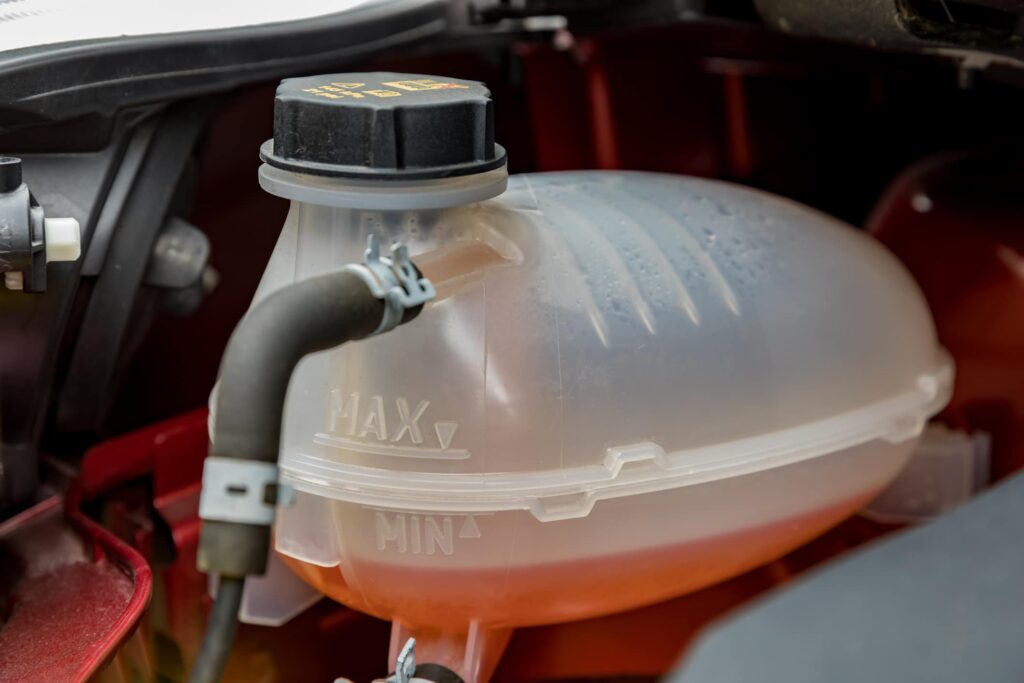
Antifreeze isn’t just for preventing freezing in the cold winters—it provides year-round protection. This fluid keeps the engine from overheating, prevents rust, and helps the water pump run smoothly. If you enjoy sports car experiences—like Drive a Lamborghini on Track, Drive a GTR, Drive Exotic Cars, or the Ferrari Driving Experience—you know how intensely high-performance engines generate heat. Having the right coolant mixture becomes crucial there. Antifreeze is essential in regular sedans, hatchbacks, and SUVs, but in performance cars, it’s literally the lifeblood of the engine. If the coolant is low, overheating can damage the gasket, making repairs expensive and posing a safety risk. So don’t ignore the antifreeze.
The Ideal Coolant Ratio for Your Car
Generally, mechanics recommend a 50/50 mixture of antifreeze and distilled water, which is perfect for most cars. Maintaining this mixture is important whether you commute daily or enjoy the Exotic Car Racing Experience on the weekend. A 50/50 ratio protects the engine from freezing down to -34°C and overheating up to 265°F. Some people think that more antifreeze is better, but in reality, a more concentrated coolant reduces cooling efficiency. The ratio remains roughly the same if you live in a humid climate like New Orleans or drive in hotter areas like the Daytona track. Every manufacturer’s manual lists the recommended ratio, so checking the manual once is a smart move.
How to Check How Much Antifreeze You Need
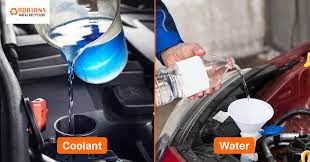
Checking is actually very easy—just make sure the engine is cold. Never open the radiator cap on a hot engine; this could be dangerous. There are minimum and maximum marks on the side of the coolant reservoir. If the level is below the minimum, it’s a clear sign that you need to add antifreeze. I’ve seen many drivers simply add water, especially in an emergency, but this isn’t a long-term solution. When you use a car daily, especially if your routine includes driving sports cars, driving a Porsche, or driving a Lamborghini Huracan—kind of experiences, the coolant level should be perfect for high-stress automotive conditions. There isn’t a simple dipstick method for coolant, so reservoir marks are the best indicator.
How Much Antifreeze a Car Typically Holds
Capacity varies between different cars. Sedans and compact cars typically hold 1.5 to 2 gallons (6–8 liters) of coolant. SUVs and trucks can hold up to 3 gallons. High-performance sports cars like Corvette, Lamborghini, or Ferrari models have slightly higher capacity for better cooling. If you’ve ever tried Race a Corvette or Race a Lamborghini track experiences, you’ll have noticed the high cooling requirements of these engines. A full coolant flush refills the entire system capacity, but if you just need a top-up, half a liter to one liter is usually sufficient. The exact capacity number can be found in the owner’s manual or on an under-hood sticker, and is manufacturer-specific.
Signs Your Car Actually Needs More Antifreeze
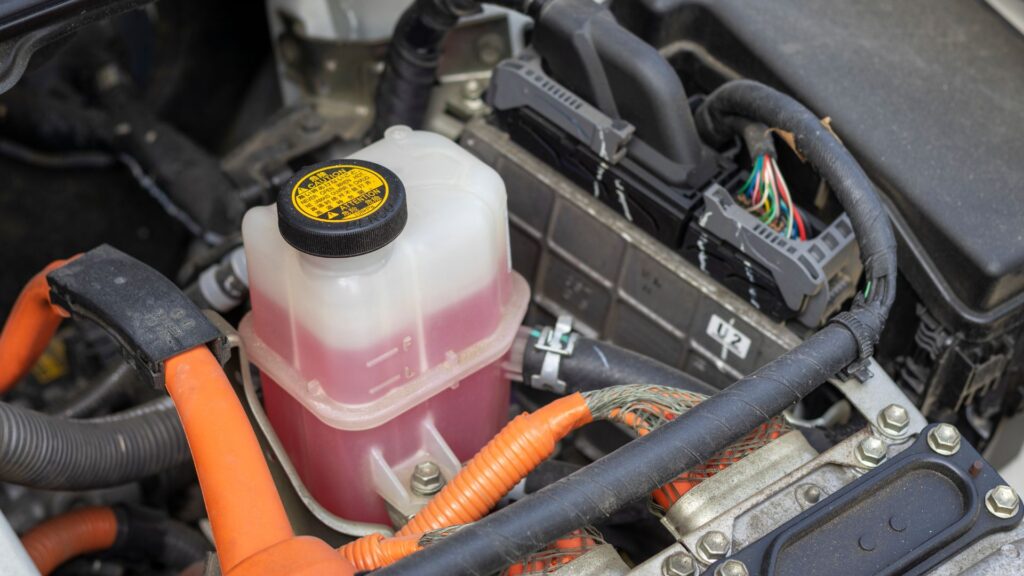
Sometimes you don’t need a manual check—the car itself gives signals. Like a high temperature gauge, the heater is not producing warm air, green/pink puddles under the engine, or a slightly sweet smell under the hood. I once encountered an overheating warning light on a New Orleans road trip, and it turned out to be a coolant leak. Luckily, the nearest service center was found and the problem was fixed, otherwise the trip could have been ruined. So if you’re planning adventures like Drive Exotic Cars, Drive a Sports Car, or the Daytona Exotic Car Experience, it’s a good idea to check the coolant before a long drive. This simple thing can save you from expensive engine damage. Regular users should follow a monthly coolant inspection routine.
Common Mistakes People Make With Antifreeze
The most common mistake is mixing coolant and water at random, without understanding the ratio. Another mistake is using the wrong type of antifreeze. Green, orange, blue, and pink coolants are available on the market, and each car has its own recommended type. Mixing them is a mistake. From the Treasure Coast to Atlanta, I’ve seen at track events and driving experience sessions, even sports car enthusiasts sometimes use the wrong type of coolant, clogging the radiator. Another typical myth is, “If the car is overheating, just add water.” This is a good emergency solution, but consistent use can cause corrosion. And the riskiest mistake – opening the radiator cap on a hot engine – can cause severe burns, so avoid it completely.
Practical Tips for Maintaining the Right Antifreeze Level
Flushing the coolant every 12 months or 30,000 miles is a safe maintenance routine. If you’re a regular city driver, this schedule is perfect. However, if you regularly drive a Lamborghini Huracan, drive a Porsche, or attend high-performance events like the Ferrari Driving Experience, it’s better to check the coolant more frequently. Always use distilled water—tap water creates mineral deposits that can clog the radiator. You can also check the mixture strength using a coolant tester strip. If the weather is extremely cold or extremely hot, the mixture ratio may need to be adjusted slightly, but generally, 50/50 is best. Lastly, it is very important to keep the coolant reservoir cap tight — a loose cap causes pressure loss.