How Many Miles Can You Put on a Leased Car
Tags: avoid extra lease mileage, car lease mileage limits, car leasing tips, Drive a Ferrari, Drive a Lamborghini, drive GTR, drive Lamborghini Huracan, Drive on a Racetrack, Drive Sports Cars, drive sports cars Atlanta, Driving Experience, Exotic Car Driving Experience, exotic car racing experience, Ferrari driving experience, how many miles can you put on a leased car, increase lease mileage, lease mileage fees, leased car mileage cost, Luxury Car Driving, new Orleans exotic cars, sports car driving experienceHow Many Miles Can You Put on a Leased Car
Understanding Car Lease Mileage Basics
If you’re leasing a car for the first time, it’s important to understand that the simple answer to “how many miles can you put on a leased car” is the terms of the contract. Generally, dealerships allow you a standard mileage limit of 10,000 to 15,000 miles per year. This means that if you lease for three years, the total allowed usage is roughly 30,000 to 45,000 miles. If you exceed this limit, extra charges per mile apply. These charges can range from $0.10 to $0.30 per mile, which can be quite expensive at the end of the lease. That’s why it’s essential to consider your driving lifestyle before signing a lease, whether you commute in the city or enjoy weekend drives.

Why Mileage Matters in Leasing
The mileage limit isn’t just a number; it protects the car’s long-term value. The more a car is driven, the more wear and tear it experiences, and dealerships consider that value when reselling it. If your daily commute is long distances, or you frequently plan road trips, you should consider a higher mileage lease. Some people think they’ll just have to return the car when the lease ends, so what’s the point of mileage anyway—but the extra mileage fees that ultimately apply can sometimes be shockingly high. Real-life example, a friend of mine exceeded the limit by just 6,000 miles and had to pay a penalty of almost $1,200. So mileage planning is basically financial planning.
How to Choose the Right Mileage Plan
Selecting the right mileage plan depends entirely on your lifestyle and usage patterns. If you commute to the office daily, drop off at school, or enjoy weekend trips, it’s important to calculate realistically. A good rule of thumb is to track your monthly average miles for at least 1-2 weeks. Multiply that by 12, and that becomes your expected annual mileage. If you think you can exceed 15,000 miles, it’s smart to choose a higher mileage package when signing the lease agreement. A higher mileage package may be a little more expensive upfront, but it’s quite cost-efficient compared to the end-of-lease penalty.
Can You Go Over Mileage?
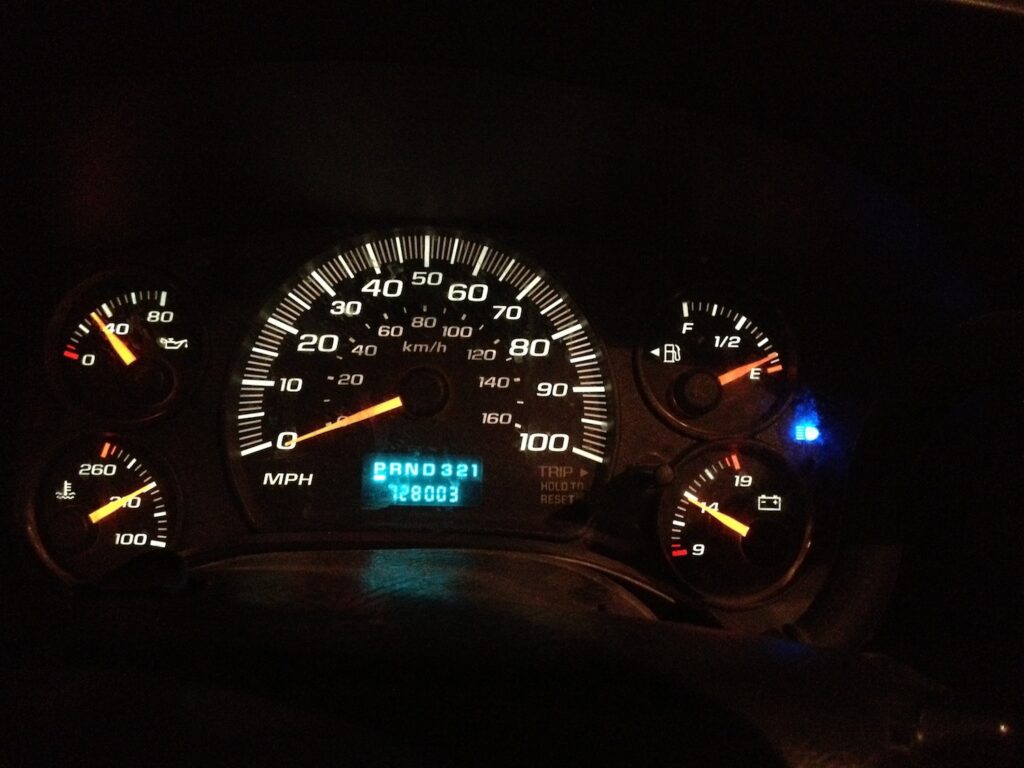
Yes, you can exceed mileage, but with consequences. The more miles you drive, the more extra you’ll have to pay. Some people take mileage overruns lightly, thinking, “I’ll see at the end,” but the feeling of lease-end surprise bills is not pleasant at all. If you think you’re going to exceed the allowed miles, you can request a mid-lease mileage extension. Many dealerships allow you to add extra miles at a cheaper rate during the lease period, which is much cheaper than paying a penalty at the end. That’s the secret to smart leasing—proactive planning.
What If You Want Flexibility?
If you know you enjoy travel and long drives, a strict mileage limit may feel a bit restrictive. In this situation, you might consider alternative options to leasing, such as a long-term rental or even buying a used car. But if you want a premium driving experience but not the ownership responsibility, leasing still makes sense. Just make sure you’re realistic with your mileage expectations. Some drivers purposefully keep a lease solely for daily commutes and choose sports car rentals for weekend fun—like driving a Ferrari for a day, driving a Lamborghini Huracan on track, or enjoying an exotic car racing experience in New Orleans.
Experiencing Exotic Cars Without Owning
Sometimes we all want to drive something special—like a Ferrari driving experience, drive exotic cars for a day, or drive a Lamborghini on a racetrack. The excitement is unique, but the ownership cost and maintenance of sports cars is quite hefty. This is where driving experience companies come in—they offer the opportunity to “drive a sports car” or “drive an exotic car on a racetrack” without a long-term financial commitment. For example, in cities like Atlanta and New Orleans, driving sports cars Atlanta-type experiences are popular. These experiences let you live your dreams without worrying about monthly payments, mileage tracking, or repairs.

The Emotional Joy of Driving Something Special
The thrill of driving an exotic car isn’t just about speed, miles per hour, or light-speed miles per hour. It’s the feeling of power, sound, and road connection. When you rev the engine of a Ferrari or feel the acceleration of a Lamborghini Huracan, there’s a rush you can never get from a normal car. It’s not just a car, it’s an experience—a memory that lasts a lifetime. That’s why people consider it worth spending money on an exotic car driving experience. Even a short drive offers a unique combination of confidence, joy, and excitement.
Final Thoughts: Balance Practicality and Passion
At the end of the day, leasing can be a smart financial decision, especially if you enjoy new cars frequently. Just have a clear idea of your mileage usage, understand the contract details before signing a lease, and if you want a thrill, enjoy an exotic car driving experience on the weekend. Life isn’t just about mileage counts; sometimes it’s about enjoying the drive. Whether you drive a GTR, a Ferrari, or your daily commuter—the journey is more important than the destination.