How long does freon last in a car
Tags: car AC maintenance, car air conditioning troubleshooting, car freon replacement, Drive a Ferrari, Drive a Lamborghini Huracan, Drive a Sports Car, drive exotic cars, drive GTR, Drive on a Racetrack, drive sports cars Atlanta, exotic car AC tips, Exotic Car Driving Experience, exotic car racing experience, Ferrari AC maintenance, freon refill, GTR AC tips, how long does freon last in a car, Lamborghini AC careHow long does freon last in a car
Understanding Car AC and Freon Basics
If you want to know how long a freon lasts in a car, it’s important to first understand how car AC works. Freon, or refrigerant, is the chemical that’s in your car’s AC system and cools the car. Without freon, the AC will only circulate air, not cool it. Exotic cars like Ferraris, Lamborghinis, or GTRs have more precise AC systems, so maintaining stable freon levels is crucial. In normal cars, freon typically lasts 2-4 years, but leaks or reduced system efficiency can cause it to run out sooner. With regular maintenance and timely check-ups, you can make AC performance long-lasting.
Signs Your Car’s Freon Is Running Low
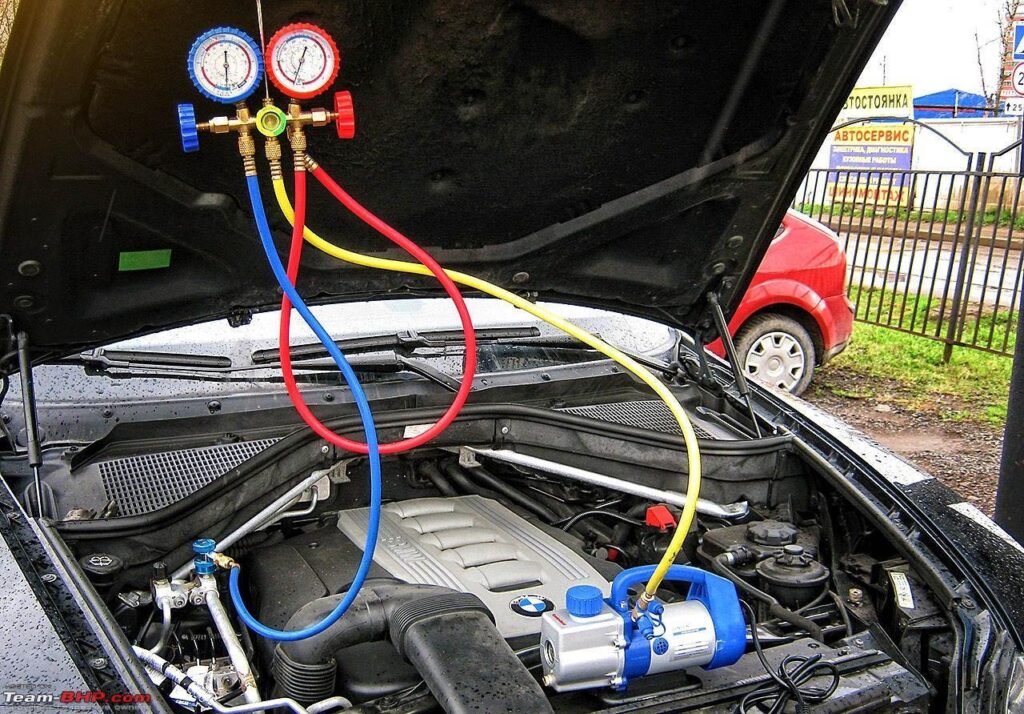
The most obvious sign of low Freon is weak or warm airflow from the AC. If you’re experiencing normal or warm air instead of cool air from the AC while driving your Ferrari or Lamborghini, this could be a sign of low Freon. Another sign is unusual noises, such as hissing or bubbling, caused by a pressure drop in the AC system. Strange odors in the cabin or the AC system repeatedly shutting off are also warning signs. If you’re noticing these signs, it’s time for a Freon refill. While enjoying the exotic car driving experience, not having the AC working can ruin the experience, hence early check-up is very important.
Factors Affecting Freon Longevity
How long Freon will last depends on several factors. First, the design and quality of the car’s AC system matters. Exotic cars have high-end systems that maintain precise pressure, but if there’s a leak, Freon can deplete quickly. Driving habits are also important; frequent AC use in hot climates consumes Freon quickly. Another factor is maintenance—if AC filters and components are dirty or damaged, the system won’t work efficiently, and Freon will deplete quickly. Regular check-ups and leak tests can help increase longevity.
How Often You Should Check Your Car’s Freon
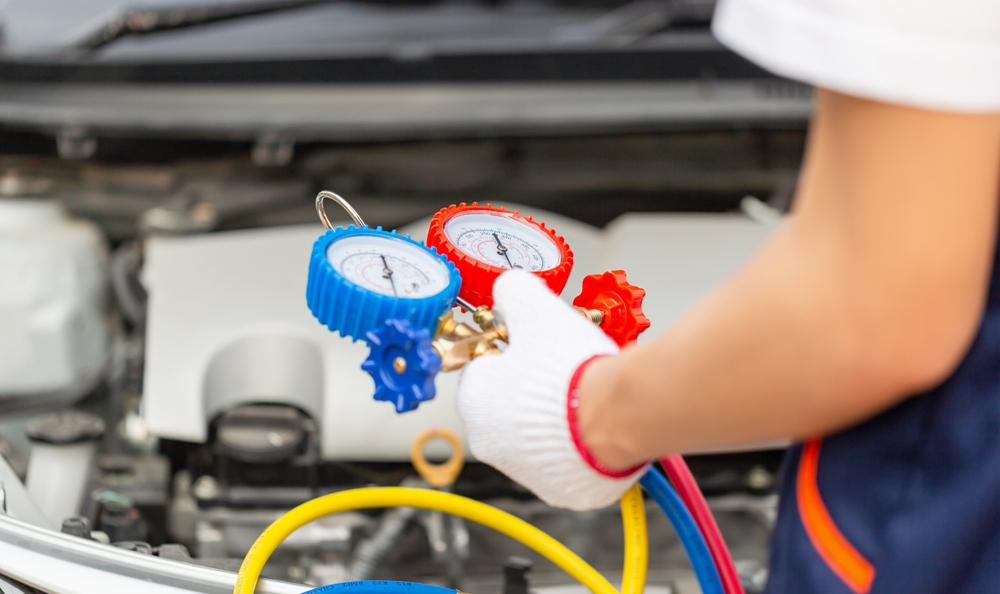
Generally, experts recommend having your Freon checked every 1-2 years. If you drive an exotic car, like the Drive a Lamborghini on Track or Drive a Ferrari experience, this is even more important. Regular inspections detect leaks and ensure consistent AC performance. AC checks evaluate time, pressure readings, hose conditions, and overall system performance. Simple tests like cabin temperature measurement or searching for visible leaks are also very helpful. Timely checks prevent expensive repairs and AC breakdowns, and make for a smooth and comfortable driving experience.
Maintaining Your Car AC Like a Pro
The most important thing about maintaining your AC is cleanliness and system health. Regularly replace cabin filters, keep the AC coils clean, and inspect hoses for damage or cracks. If you enjoy exotic cars, like driving a GTR or experiencing exotic car racing, ensuring the AC system’s perfect performance is crucial. Timely refilling Freon levels, repairing leaks, and maintaining system pressure are essential for long-term health. With a little care, you can avoid expensive exotic car AC repairs and make your ride hassle-free.

The Cost of Recharging Freon in Exotic Cars
The cost of a Freon refill depends on the car model and system complexity. While the cost is relatively low for regular cars, it can be quite expensive for Ferraris, Lamborghinis, or high-performance sports cars. Luxury dealerships sometimes use special refrigerants and precise tools, which increase the cost. However, timely recharging and proper maintenance can help prevent future expensive repairs. A properly functioning AC system can add to the fun of driving an exotic car. So, don’t ignore proactive maintenance.
Driving Experiences Without AC Hassles
AC maintenance and freon refills have a direct impact on your exotic car experience. Imagine, you’re excited to experience experiences like Drive a Lamborghini Huracan or Drive Sports Cars Atlanta, and the AC isn’t working. A hot cabin and uncomfortable conditions dampen your adrenaline rush. Proper freon levels and AC system health ensure every ride is smooth, comfortable, and enjoyable. Exotic car driving experiences aren’t just about speed and thrills, but also about comfort and control. Properly functioning AC is an integral part of performance driving.

Freon Myths That Car Owners Should Ignore
Some myths circulate in the market, such as “Freon never runs out” or “DIY refill is always safe.” This is not true. Freon can naturally evaporate or leak, and levels can decrease with system design and age. DIY refills sometimes overcharge or undercharge, which can cause system damage. Exotic cars require precise measurement and professional handling. Reliable dealerships and certified technicians should be the ones to ensure long-term comfort and performance. Ignore misleading tips and focus on proper care.
DIY vs Professional Freon Refill: What’s Better?
A DIY freon refill may seem tempting because it’s cheap and fast, but professional service is recommended for high-performance cars. Professionals accurately evaluate system pressure, refrigerant type, and leaks. In exotic cars, the wrong type or overfilled freon can cause severe damage. If you plan to drive exotic cars for a day or have an exotic car driving experience, professional service will provide peace of mind and consistent AC performance. DIY is only suitable for basic cars, but for luxury and sports cars, the services of certified technicians are the best choice.
Long-Term Care Tips for Your Car AC
Last but not least, long-term AC care is only possible through consistent maintenance. Replace cabin filters on time, inspect hoses and coils, and detect system leaks. Exotic car owners should pay special attention to AC system pressure and refrigerant type. If you’re enjoying experiences like driving on a racetrack or driving a Ferrari, minimizing the risk of AC failure is crucial to overall ride enjoyment. Timely Freon refills, system cleaning, and professional check-ups will keep your car always ready and cool, no matter the extreme driving conditions.